
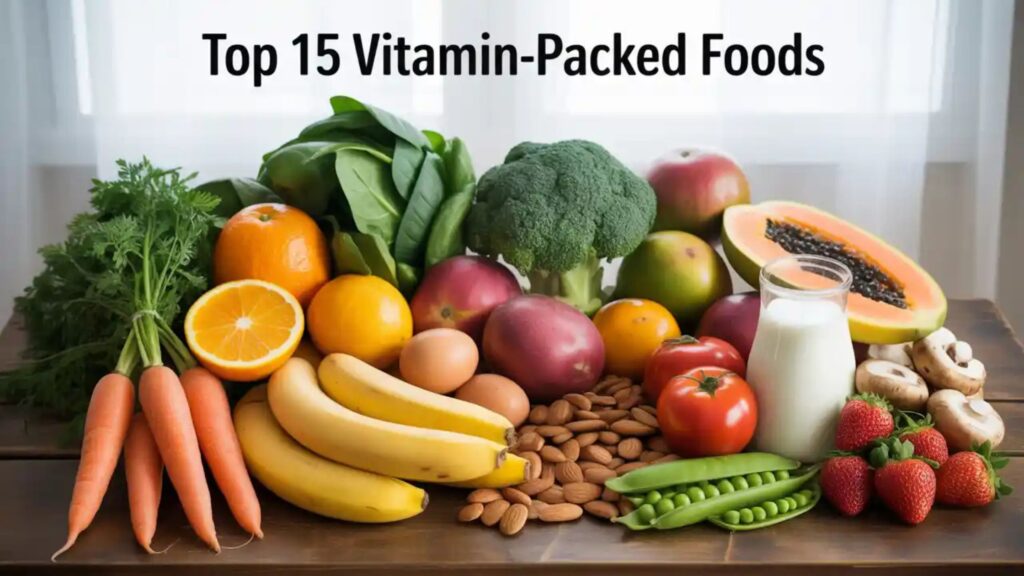
Introduction
When people think about staying healthy, they often focus on exercise or supplements. However, one of the easiest ways to support your body is by eating vitamin-packed foods every day. Vitamins are essential nutrients that help your body produce energy, strengthen the immune system, maintain healthy skin, support vision, and keep your organs functioning properly. Without enough vitamins, even simple daily activities can leave you feeling tired and run down.
The good news is that you don’t need expensive superfoods or complicated meal plans to meet your nutritional needs. Many everyday foods—such as colorful fruits, leafy vegetables, eggs, dairy products, nuts, and whole foods—naturally provide the vitamins your body requires. These nutrient-rich choices not only promote long-term health but also reduce the risk of vitamin deficiencies.
In this guide, you’ll discover vitamin-packed foods that deserve a place on your plate. You’ll learn which vitamins each food provides, how they benefit your body, and simple ways to include them in your daily meals for better overall health.
1. Carrots – A Crunchy Source of Vitamin A
Carrots are among the most nutritious, vitamin-packed foods you can include in your daily diet. Their bright orange color comes from beta-carotene, a natural plant compound that the body converts into Vitamin A. This essential vitamin supports clear vision, especially in low-light conditions, while also helping maintain healthy skin and a strong immune system.
Beyond eye health, carrots provide antioxidants that help protect the body’s cells from damage caused by free radicals. They also contain dietary fiber, which supports healthy digestion and helps you feel full for longer. Because they are naturally low in calories, carrots make an excellent snack for anyone trying to maintain a balanced diet.
One of the biggest advantages of carrots is their versatility. You can enjoy them raw with a healthy dip, grate them into fresh salads, roast them with herbs, blend them into soups, or add them to curries and stir-fries. Light cooking can even improve the absorption of beta-carotene, allowing your body to use Vitamin A more efficiently.
Whether you’re preparing meals for children, adults, or older family members, carrots are an easy and affordable way to increase your daily vitamin intake. Adding just one medium-sized carrot to your diet several times a week can contribute to better overall health as part of a varied, nutrient-rich eating pattern.
2. Oranges – A Refreshing Boost of Vitamin C
Oranges are one of the easiest and most delicious ways to increase your intake of vitamin-packed foods. Best known for their high Vitamin C content, these citrus fruits help strengthen the immune system, support wound healing, and protect the body’s cells from oxidative stress. Vitamin C also plays a key role in collagen production, which keeps your skin firm, healthy, and naturally radiant.
In addition to Vitamin C, oranges provide fiber, potassium, and beneficial plant compounds called flavonoids. Fiber supports healthy digestion and helps you feel satisfied for longer, while potassium contributes to normal muscle function and healthy blood pressure. The natural antioxidants found in oranges may also help reduce inflammation and support long-term heart health.
Fresh oranges are the most nutritious choice because they contain both juice and fiber. Enjoy them as a quick snack, toss orange segments into green salads, blend them into smoothies, or squeeze fresh juice at home without adding extra sugar. Eating the whole fruit is generally a better option than drinking juice alone, as it provides more fiber and helps keep blood sugar levels steadier.
Including oranges in your weekly meal plan is a simple way to support overall wellness. Their refreshing taste, wide availability, and impressive nutritional profile make them a smart addition to a balanced diet for people of all ages.
3. Spinach – A Leafy Green Loaded with Essential Vitamins
If there is one vegetable that deserves a regular place on your plate, it is spinach. This leafy green is one of the most nutrient-dense, vitamin-packed foods, offering an impressive combination of Vitamin A, Vitamin C, Vitamin K, and folate in every serving. Together, these nutrients help support healthy vision, strengthen the immune system, maintain strong bones, and promote normal cell growth.
Spinach also contains iron, magnesium, and natural antioxidants such as lutein and zeaxanthin. While iron helps transport oxygen throughout the body, lutein and zeaxanthin are known for supporting eye health and protecting the eyes from age-related damage. Magnesium contributes to normal muscle and nerve function, making spinach a valuable addition to an active lifestyle.
One of the best things about spinach is how easy it is to include in everyday meals. Add fresh leaves to salads, blend a handful into fruit smoothies, stir it into soups, or sauté it with garlic as a quick side dish. Cooking spinach slightly reduces its volume, making it easier to enjoy larger portions, while pairing it with foods rich in Vitamin C, such as tomatoes or citrus fruits, can help improve iron absorption.
Whether you’re preparing breakfast, lunch, or dinner, spinach is a simple way to add more nutrients without adding many calories. Eating it regularly can help you build a balanced diet that supports long-term health and overall well-being.
4. Eggs – A Complete Package of Essential Nutrients
Eggs are one of the most nutritious foods you can eat, offering a unique combination of high-quality protein and essential vitamins in a single serving. As one of the most versatile vitamin-packed foods, eggs provide Vitamin D, Vitamin B12, Vitamin A, and riboflavin (Vitamin B2), all of which play important roles in maintaining overall health.
One of the standout nutrients in eggs is choline, a lesser-known but essential compound that supports brain function, memory, and nervous system health. Vitamin D helps the body absorb calcium for stronger bones and teeth, while Vitamin B12 is necessary for healthy red blood cells and proper nerve function. The yolk contains most of these vitamins, making it the most nutrient-rich part of the egg.
Another reason eggs are so popular is their ability to keep you feeling satisfied. The combination of protein and healthy fats helps control hunger, making eggs an excellent choice for breakfast or as part of a balanced meal. They are also naturally low in carbohydrates, making them one of the most practical vitamin-packed foods for a variety of healthy eating patterns.
From hard-boiled snacks and vegetable omelets to poached eggs on whole-grain toast, there are countless ways to enjoy them. Pairing eggs with vegetables such as spinach, tomatoes, or mushrooms creates an even more nutrient-rich meal that delivers a wider range of vitamins and minerals.
Affordable, convenient, and easy to prepare, eggs remain one of the best vitamin-packed foods for supporting energy, muscle maintenance, and overall well-being.
5. Sweet Potatoes – A Naturally Sweet Source of Vitamin A
Sweet potatoes are more than just a comforting side dish—they’re one of the most nutritious vitamin-packed foods you can enjoy throughout the year. Their vibrant orange flesh is rich in beta-carotene, which the body converts into Vitamin A. This essential nutrient supports healthy eyesight, strengthens the immune system, and helps maintain smooth, healthy skin.
In addition to Vitamin A, sweet potatoes provide Vitamin C, potassium, manganese, and dietary fiber. Potassium helps regulate muscle function and maintain normal blood pressure, while fiber supports healthy digestion and promotes a longer-lasting feeling of fullness. Because they contain complex carbohydrates, sweet potatoes release energy gradually, making them a better choice than many highly processed starchy foods.
There are plenty of delicious ways to include sweet potatoes in your meals. Bake them until tender, roast them with olive oil and herbs, mash them as a healthier alternative to regular potatoes, or cube them into soups and stews. Leaving the skin on whenever possible adds extra fiber and nutrients.
Thanks to their naturally sweet flavor and impressive nutritional profile, sweet potatoes are a smart addition to a balanced diet. Whether served as a side dish or the main ingredient in a meal, they provide lasting energy and valuable nutrients that support overall health.
6. Bananas – A Quick and Natural Energy Booster
Bananas are among the most convenient, vitamin-packed foods for busy lifestyles. They require no preparation, are easy to carry, and provide a combination of vitamins, minerals, and natural carbohydrates that help fuel your body throughout the day. Their rich supply of Vitamin B6 supports brain function, helps the body convert food into energy, and plays a role in the production of red blood cells.
Beyond Vitamin B6, bananas are an excellent source of potassium, a mineral that helps regulate fluid balance, supports healthy muscle contractions, and contributes to normal blood pressure. They also provide magnesium, Vitamin C, and dietary fiber, making them a well-rounded choice for both energy and digestive health.
Thanks to their natural sugars and complex carbohydrates, bananas provide a quick yet steady source of energy. That’s one reason they’re a favorite among athletes, both before and after exercise. They may also help replenish nutrients lost through sweating and support muscle recovery after physical activity.
Bananas are incredibly versatile in the kitchen. Enjoy one as a midday snack, slice it over oatmeal or whole-grain cereal, blend it into smoothies, or use mashed banana as a natural sweetener in homemade baked goods. Choosing slightly ripe bananas offers a pleasant balance of sweetness and fiber.
Simple, affordable, and widely available, bananas are an easy way to add more essential nutrients to your daily diet while supporting energy, digestion, and overall wellness.
7. Almonds – A Nutrient-Dense Snack Rich in Vitamin E
Don’t let their small size fool you—almonds are packed with nutrients that support your body in many ways. As one of the most satisfying vitamin-packed foods, almonds are an excellent source of Vitamin E, a powerful antioxidant that helps protect cells from oxidative stress while supporting healthy skin and a strong immune system.
Almonds also provide magnesium, healthy unsaturated fats, plant-based protein, and dietary fiber. Magnesium plays an important role in muscle and nerve function, while healthy fats contribute to heart health and help your body absorb fat-soluble vitamins such as Vitamins A, D, E, and K. The combination of protein and fiber also helps you stay full longer, making almonds a smart snack between meals.
There are plenty of easy ways to enjoy almonds every day. Eat a small handful as a snack, sprinkle chopped almonds over oatmeal or yogurt, blend them into smoothies, or add them to salads and homemade trail mixes for extra crunch and nutrition. Choosing unsalted, dry-roasted, or raw almonds is generally a healthier option than heavily salted or sugar-coated varieties.
Although almonds are highly nutritious, moderation is important because they are naturally calorie-dense. A serving of about 23 almonds (roughly one ounce) provides an excellent balance of nutrients without adding excessive calories.
Including almonds in a balanced diet is a simple way to increase your intake of essential vitamins, minerals, and healthy fats while supporting heart health, brain function, and overall well-being.
8. Broccoli – A Green Vegetable Packed with Essential Nutrients
Broccoli has earned its reputation as a superfood for good reason. It is one of the most nutritious, vitamin-packed foods, delivering an impressive mix of Vitamin C, Vitamin K, folate, and Vitamin A in every serving. These nutrients work together to support the immune system, maintain strong bones, promote healthy blood clotting, and contribute to normal cell growth.
What makes broccoli stand out is its rich supply of sulforaphane, a natural plant compound with powerful antioxidant properties. Along with other beneficial compounds, sulforaphane helps protect cells from oxidative stress and supports the body’s natural defense system. Broccoli is also high in dietary fiber, which promotes healthy digestion, supports gut health, and helps you feel satisfied after meals.
This versatile vegetable can be prepared in many delicious ways. Lightly steam it, roast it with olive oil and herbs, stir-fry it with other vegetables, or add it to soups, pasta dishes, and casseroles. Avoid overcooking broccoli, as prolonged heat can reduce the amount of certain vitamins, particularly Vitamin C. Steaming for just a few minutes helps preserve both its nutrients and its bright green color.
Whether you’re planning a quick weeknight dinner or building a nutrient-rich meal, broccoli is an excellent choice. Regularly including it in your diet can help support digestive health, strengthen the immune system, and provide a wide range of essential nutrients that contribute to long-term wellness.
9. Mangoes – A Tropical Fruit Bursting with Essential Vitamins
Sweet, juicy, and naturally refreshing, mangoes are more than just a seasonal favorite. They are among the most flavorful vitamin-packed foods, providing an excellent source of Vitamin C and Vitamin A. Vitamin C helps strengthen the immune system, supports collagen production, and improves the absorption of iron from plant-based foods. Meanwhile, Vitamin A plays a vital role in maintaining healthy vision, supporting skin health, and promoting normal immune function.
Mangoes also contain Vitamin E, Vitamin K, folate, potassium, and dietary fiber, making them a well-rounded addition to a balanced diet. Their antioxidants, including beta-carotene and mangiferin, help protect cells from oxidative stress and support overall health. The natural fiber in mangoes also promotes healthy digestion and contributes to a feeling of fullness after meals.
Whether enjoyed fresh or added to recipes, mangoes fit naturally into a wide variety of meals and snacks. Enjoy fresh slices as a snack, blend them into smoothies, mix them into fruit salads, prepare homemade salsa, or add them to yogurt for a naturally sweet breakfast. Choosing ripe, fresh mangoes allows you to enjoy their full flavor without relying on added sugars.
While mangoes are highly nutritious, they also contain natural sugars, so enjoying them in moderate portions is the best approach. When included as part of a varied diet, mangoes provide a delicious way to increase your intake of essential vitamins, antioxidants, and fiber while adding vibrant flavor to everyday meals.
10. Tomatoes – An Everyday Fruit Rich in Protective Vitamins
Tomatoes are a staple in kitchens around the world, but they’re also one of the most underrated vitamin-packed foods. Naturally rich in Vitamin C, Vitamin A, and Vitamin K, tomatoes help support immune function, maintain healthy skin and vision, and contribute to strong bones and normal blood clotting. Because they’re low in calories and high in water, tomatoes are an easy way to add nutrition to almost any meal.
One of the nutrients that makes tomatoes unique is lycopene, a powerful antioxidant responsible for their vibrant red color. Research suggests that lycopene may help protect cells from oxidative damage and support heart health. Interestingly, cooked tomatoes—such as those in homemade sauces or soups—can provide lycopene in a form that’s easier for the body to absorb than raw tomatoes.
Tomatoes also contain potassium, folate, and a small amount of dietary fiber, making them a valuable addition to a balanced diet. Slice fresh tomatoes into salads and sandwiches, roast them with herbs, blend them into soups, or prepare a fresh salsa to add flavor and nutrients without excess calories.
Whether enjoyed raw or cooked, tomatoes offer an excellent combination of vitamins, antioxidants, and plant compounds. Including them regularly in your meals is a simple way to support heart health, strengthen your immune system, and enjoy fresh, wholesome nutrition every day.
11. Peas – Small but Surprisingly Nutrient-Rich
Peas may be small in size, but they offer an impressive range of nutrients that make them one of the most valuable vitamin-packed foods for everyday meals. They are naturally rich in Vitamin C, Vitamin K, and several B vitamins, including folate, which plays an essential role in healthy cell growth and red blood cell production. These nutrients work together to strengthen the immune system, support bone health, and help the body convert food into energy.
In addition to vitamins, peas are an excellent source of plant-based protein, dietary fiber, iron, and manganese. Their combination of protein and fiber helps promote fullness, supports healthy digestion, and contributes to more stable blood sugar levels when eaten as part of a balanced meal. Iron helps transport oxygen throughout the body, while manganese supports normal metabolism and bone development.
One of the greatest advantages of peas is their versatility. Fresh, frozen, or lightly cooked peas can be added to soups, curries, fried rice, pasta dishes, casseroles, and vegetable stir-fries. They also pair well with carrots, potatoes, and leafy greens, making it easy to increase the nutritional value of everyday recipes without changing their flavor significantly.
Although peas contain natural carbohydrates, they also provide plenty of fiber and protein, making them a wholesome choice for most healthy eating patterns. Keeping a bag of frozen peas in your freezer is a convenient way to add color, texture, and essential nutrients to meals throughout the year.
Including peas in your weekly menu is a simple step toward a more balanced diet. Their rich nutritional profile, mild flavor, and ease of preparation make them an excellent addition to meals that support long-term health and overall well-being.
12. Papaya – A Tropical Fruit That Supports Digestion and Immunity
Papaya is a delicious tropical fruit that offers far more than its naturally sweet flavor. It ranks among the most nutritious vitamin-packed foods, providing generous amounts of Vitamin C and Vitamin A, two essential nutrients that help strengthen the immune system, protect vision, and support healthy, glowing skin. A single serving of papaya can provide a significant portion of your daily Vitamin C needs, making it an excellent choice for boosting overall wellness.
One of papaya’s most distinctive features is papain, a natural digestive enzyme that helps break down proteins and supports healthy digestion. Along with dietary fiber, papain may help promote regular bowel movements and improve digestive comfort. Papaya also contains folate, potassium, and small amounts of Vitamin E, adding even more nutritional value to this vibrant fruit.
There are many simple ways to enjoy papaya throughout the day. Enjoy papaya fresh on its own, mix it into smoothies, toss it into fruit salads, or serve it with yogurt for a wholesome and satisfying breakfast. A squeeze of fresh lime juice can enhance its natural sweetness while adding an extra burst of flavor.
Choosing a ripe papaya with soft, orange-colored flesh ensures the best taste and texture. When enjoyed regularly as part of a balanced diet, papaya provides an easy and flavorful way to increase your intake of essential vitamins, antioxidants, and digestive-supporting nutrients.
13. Milk – A Daily Source of Essential Vitamins and Minerals
Milk has been a dietary staple for generations, and for good reason. It is one of the most dependable vitamin-packed foods, providing a balanced mix of Vitamin D, Vitamin B12, Vitamin A, and riboflavin (Vitamin B2). These nutrients work together to support healthy bones, brain function, energy production, and a well-functioning immune system.
One of milk’s greatest strengths is its combination of vitamins with naturally occurring calcium, phosphorus, and high-quality protein. Calcium and Vitamin D work hand in hand to build and maintain strong bones and teeth, while Vitamin B12 supports the formation of healthy red blood cells and helps keep the nervous system functioning properly. The protein in milk also plays an important role in muscle growth, tissue repair, and keeping you feeling satisfied after meals.
There are many easy ways to enjoy milk throughout the day. Enjoy a glass with breakfast, pour it over whole-grain cereal, blend it into smoothies, or use it to prepare oatmeal, soups, and homemade sauces. If you prefer plant-based alternatives, look for options that are fortified with calcium and Vitamin D to provide similar nutritional benefits.
When choosing milk, opt for varieties that fit your dietary needs, such as low-fat, reduced-fat, or whole milk, depending on your overall eating pattern and nutritional goals. No matter how you enjoy it, milk remains a practical and convenient way to increase your intake of essential vitamins and minerals.
Including milk as part of a balanced diet can help support bone strength, muscle health, and overall well-being, making it a valuable addition to everyday meals.
14. Strawberries – Bright, Flavorful, and Rich in Vitamin C
Strawberries are more than just a delicious seasonal fruit—they’re among the most refreshing vitamin-packed foods you can enjoy. Bursting with Vitamin C, these vibrant berries help strengthen the immune system, support collagen production, and protect the body’s cells from oxidative stress. Vitamin C also plays an important role in maintaining healthy skin, promoting wound healing, and improving the absorption of iron from plant-based foods.
In addition to Vitamin C, strawberries provide folate (Vitamin B9), manganese, potassium, dietary fiber, and a wide range of polyphenols, which are natural antioxidants linked to heart and brain health. Their high water content and low calorie count make strawberries a satisfying snack for anyone looking to enjoy naturally sweet foods while maintaining a balanced diet.
Fresh strawberries are incredibly versatile and can be enjoyed in countless ways. Add them to oatmeal, yogurt, smoothies, fruit salads, or whole-grain pancakes for a nutritious breakfast. They also make a naturally sweet topping for desserts without the need for excessive added sugar. To preserve their freshness, rinse strawberries just before eating rather than before storing them.
Whether enjoyed on their own or as part of a healthy recipe, strawberries provide a delicious combination of vitamins, fiber, and antioxidants. Including them regularly in your diet is an easy way to add more color, flavor, and valuable nutrients to your everyday meals.
15. Mushrooms – A Unique Natural Source of Vitamin D
Unlike most fruits and vegetables, mushrooms are one of the few vitamin-packed foods that can naturally provide Vitamin D, especially when they have been exposed to ultraviolet (UV) light during cultivation or after harvest. Vitamin D plays a vital role in helping the body absorb calcium, supporting strong bones and teeth, and maintaining a healthy immune system.
Mushrooms are also rich in several B vitamins, including riboflavin (Vitamin B2), niacin (Vitamin B3), and pantothenic acid (Vitamin B5). These nutrients help convert food into energy, support normal brain function, and contribute to a healthy nervous system. In addition, mushrooms contain selenium, copper, potassium, and natural antioxidants such as ergothioneine, which help protect cells from oxidative stress and support overall health.
One of the reasons mushrooms are so popular is their versatility in the kitchen. They can be sautéed with garlic and herbs, added to omelets, soups, stir-fries, pasta dishes, pizzas, or grilled as a flavorful side dish. Their rich, savory taste—often described as umami—makes them an excellent substitute for meat in many recipes while adding valuable nutrients.
For the greatest nutritional benefit, choose fresh mushrooms with a firm texture and avoid washing them until you’re ready to cook. A quick rinse just before use is enough to remove any dirt without affecting their quality.
Adding mushrooms to your weekly meal plan is a simple way to enjoy a unique combination of vitamins, minerals, and antioxidants. Their impressive nutritional profile and culinary versatility make them a smart choice for anyone looking to build a healthier, more balanced diet.
Why These Vitamin-Packed Foods Matter
Choosing vitamin-packed foods every day is one of the simplest ways to support your overall health. Unlike highly processed foods, these natural sources provide essential vitamins, minerals, antioxidants, and fiber that work together to keep your body functioning properly. Eating a wide variety of vitamin-packed foods helps reduce the risk of nutrient deficiencies while supporting your immune system, heart, brain, bones, and digestive health.
Another advantage of vitamin-packed foods is that they provide nutrients in their natural form, allowing your body to absorb and use them more effectively. Rather than relying solely on supplements, building meals around fruits, vegetables, whole grains, dairy products, nuts, seeds, and lean proteins creates a balanced eating pattern, especially for growing children, that supports long-term wellness.
No single ingredient can provide every nutrient your body requires. That’s why nutrition experts recommend eating a colorful variety of vitamin-packed foods throughout the week. Each food contributes a unique combination of vitamins and beneficial plant compounds that work together to support better health.
Making small changes—such as adding spinach to your lunch, choosing fruit instead of sugary snacks, or including vegetables with dinner—can significantly increase your intake of vitamin-packed foods without making your meals complicated or expensive.
Conclusion
Adding more vitamin-packed foods to your daily meals is one of the smartest investments you can make in your health. From colorful fruits and leafy vegetables to eggs, dairy products, nuts, and mushrooms, each food provides valuable nutrients that help your body stay strong, energized, and resilient.
Instead of depending on processed foods or unnecessary supplements, focus on filling your plate with a variety of vitamin-packed foods every day. A balanced diet rich in natural nutrients supports healthy aging, improves overall well-being, and helps your body perform at its best.
Remember, healthy eating doesn’t have to be complicated. Even small, consistent changes—like enjoying an extra serving of fruit, adding more vegetables to your meals, or choosing nutrient-rich snacks—can make a lasting difference. Start incorporating more vitamin-packed foods today, and your body will thank you for years to come.
1. Which foods are highest in vitamins?
Spinach, broccoli, carrots, oranges, eggs, milk, and sweet potatoes are among the best vitamin-packed foods rich in essential nutrients.
2. What is the best food for getting all vitamins?
No single food contains every vitamin, so eating a variety of vitamin-packed foods is the best way to meet your daily nutritional needs.
3. Which fruit contains the most vitamins?
Oranges, papaya, mangoes, strawberries, and bananas are excellent fruits packed with vitamins, antioxidants, and fiber.
4. Can I get enough vitamins from food without supplements?
Yes, most people can get enough vitamins by eating a balanced diet rich in vitamin-packed foods.
5. Which vegetables are richest in vitamins?
Spinach, broccoli, carrots, tomatoes, peas, and sweet potatoes are among the most vitamin-rich vegetables.
6. What are the signs of vitamin deficiency?
Common signs include fatigue, weak immunity, dry skin, hair loss, poor vision, and slow wound healing.
7. Which vitamin is best for the immune system?
Vitamins C, D, A, and E are essential for supporting a healthy immune system.
8. How many servings of fruits and vegetables should I eat daily?
Aim for at least five servings of fruits and vegetables each day for optimal health.
9. Are frozen fruits and vegetables as healthy as fresh ones?
Yes, frozen produce retains most of its nutrients and can be just as healthy as fresh options.
10. What are the easiest vitamin-packed foods to eat every day?
Bananas, eggs, milk, carrots, oranges, spinach, and almonds are easy vitamin-packed foods to include in your daily diet.

I am a professional SEO content writer with over 4 years of experience in creating high-quality content in the health and beauty niche. I specialize in writing research-based, easy-to-understand articles that help readers improve their skincare, wellness, and daily lifestyle.
My goal is to provide accurate, practical, and user-friendly information so readers can make informed decisions about their health and beauty routines.
Note: The information provided is for educational purposes only and should not be considered medical advice.
4 thoughts on “Top 15 Vitamin-Packed Foods You Need to Know”