
Introduction
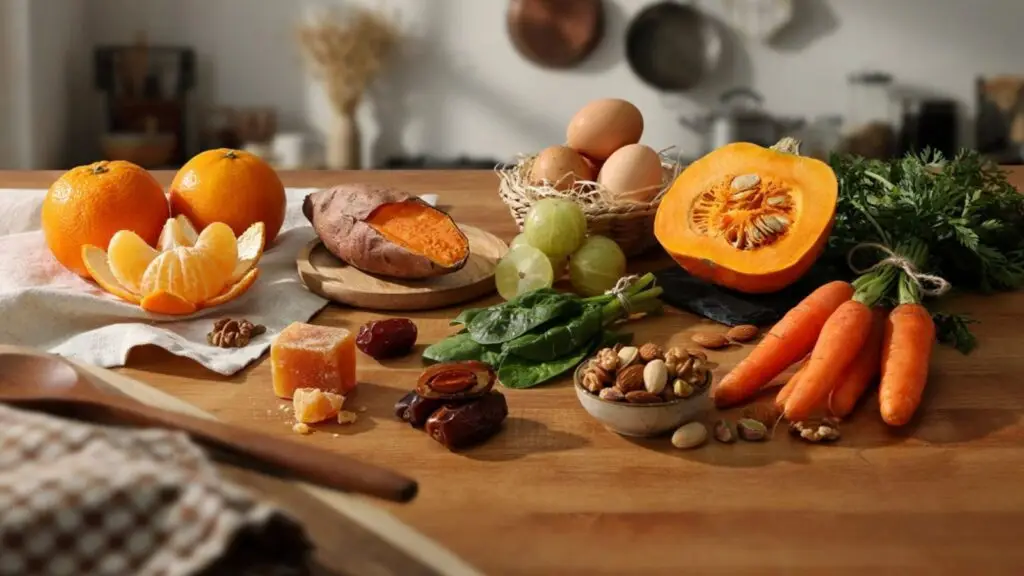
As the weather begins to cool, it’s the perfect time to prepare your child’s diet for the changing season. Choosing the right pre-winter foods for kids can help provide the vitamins, minerals, healthy fats, and other essential nutrients growing children need before winter arrives. A balanced diet during this time supports normal growth, keeps kids active, and encourages healthy eating habits throughout the colder months.
Including a variety of colorful fruits, vegetables, whole grains, dairy products, nuts, seeds, and protein-rich foods in your child’s daily meals is a simple way to improve overall nutrition. Warm homemade meals and seasonal ingredients can also make eating healthy more enjoyable for children.
In this guide, you’ll discover 10 powerful pre-winter foods for kids, along with easy recipes, warm drinks, practical nutrition tips, and foods to limit before winter. These ideas are designed to help parents make informed food choices while building healthy eating habits for the whole family.
If you’re looking for a complete meal plan, don’t miss our guide on A Balanced Diet for a Child of 5 to 12 Years.
Top 10 Pre-Winter Foods for Kids to Avoid Disease
1. Sweet Potatoes
Sweet potatoes are one of the best seasonal foods to include in your child’s diet before winter. They are naturally rich in fiber, beta-carotene, vitamin C, and potassium, making them a nutritious addition to family meals. Their natural sweetness also makes them a favorite among many children.
You can serve sweet potatoes in different ways, such as boiled, baked, mashed, or added to soups. Pairing them with a small amount of butter or ghee can make them more flavorful while providing extra energy during cooler weather. As part of a balanced diet, sweet potatoes offer important nutrients that support your child’s normal growth and daily activities.
2. Amla (Gooseberry)
Amla, also known as Indian gooseberry, is a seasonal fruit valued for its high vitamin C content. It also contains antioxidants and plant compounds that make it a nutritious choice for growing children. The naturally tart flavor of amla may not appeal to every child, so parents often include it in small servings or mix it into kid-friendly recipes.
Fresh amla juice, grated amla mixed with honey (for children over one year of age), or homemade amla chutney are simple ways to include this fruit in your child’s diet. Offering a variety of seasonal fruits like amla helps children enjoy different flavors while increasing their intake of essential vitamins and minerals.
3. Dates (Palm Fruit)
Dates are a naturally sweet and nutritious snack that can be included in a child’s pre-winter diet. They provide carbohydrates for energy along with fiber, iron, potassium, and other important minerals. Their soft texture also makes them easy for many children to enjoy when served in age-appropriate portions.
You can offer chopped dates as a snack, blend them into smoothies, or mix them with oatmeal and yogurt. They also pair well with nuts to create a wholesome homemade snack. Since dates are naturally sweet, they can be a healthier alternative to many processed sweets when enjoyed as part of a balanced diet.
4. Jaggery (Gur)
Jaggery is a traditional sweetener that many families enjoy during the colder months. It contains small amounts of minerals such as iron, magnesium, and potassium, making it a popular seasonal ingredient in many homemade recipes. Although it is less processed than refined sugar, it should still be eaten in moderation.
Parents can use jaggery to prepare warm drinks, homemade desserts, or traditional winter treats. A small amount can also be added to porridge or other homemade recipes for natural sweetness. Choosing homemade foods over heavily processed snacks is a simple way to encourage healthier eating habits.
5. Eggs
Eggs are one of the most nutritious foods for growing children. They provide high-quality protein along with vitamin D, vitamin B12, choline, and healthy fats that support normal growth and development. With so many simple cooking options, eggs can easily become part of your child’s daily meal plan, whether served in the morning, at lunchtime, or in the evening.
Boiled eggs, scrambled eggs, or vegetable omelets are simple meal options that many kids enjoy. Serving eggs with whole-grain bread or fresh vegetables creates a balanced meal that provides lasting energy throughout the day. If your child has an egg allergy, consult a qualified healthcare professional before including eggs in their diet.
6. Ghee
Ghee has been used in many traditional diets for generations and can be enjoyed in small amounts as part of a balanced meal. It provides healthy fats that supply energy and add a rich flavor to everyday foods. During the cooler months, many families include ghee in homemade meals such as porridge, rice, lentils, and whole-wheat flatbreads.
A small spoonful of ghee can make meals more satisfying without overpowering their taste. However, moderation is important because ghee is high in calories. When combined with a variety of nutrient-rich foods, it can be a valuable addition to your child’s pre-winter diet.
7. Carrots and Pumpkins
Carrots and pumpkins are colorful vegetables packed with beta-carotene, fiber, and vitamins that support normal growth and overall well-being. Their naturally sweet flavor makes them appealing to many children, making it easier for parents to include more vegetables in daily meals.
These vegetables can be served in soups, mashed, roasted, or added to rice dishes and curries. They also work well in homemade muffins or pancakes for picky eaters. Offering different vegetables throughout the week allows children to enjoy a wider variety of nutrients while making mealtimes more colorful and enjoyable.
8. Leafy Greens
Leafy greens such as spinach and fenugreek (methi) are excellent sources of vitamins, minerals, and dietary fiber. Making these foods a regular part of family meals gives children the opportunity to enjoy a wider range of nutritious ingredients while developing lifelong healthy eating habits.
If your child is reluctant to eat leafy vegetables, try mixing finely chopped spinach or methi into parathas, soups, omelets, pasta sauces, or lentil dishes. Preparing vegetables in fun and tasty ways often makes them more appealing to young children.
9. Nuts
Nuts such as almonds and walnuts provide healthy fats, plant protein, vitamin E, and other essential nutrients. When served in age-appropriate forms, they make a filling and nutritious snack for growing children.
You can add chopped nuts to oatmeal, yogurt, smoothies, or homemade energy bites. For younger children, use finely ground nuts or smooth nut butters to reduce the risk of choking. Always consider your child’s age and any known food allergies before serving nuts.
10. Citrus Fruits
Citrus fruits such as oranges, lemons, and sweet limes are refreshing seasonal fruits that provide vitamin C and other beneficial nutrients. Their juicy texture and natural sweetness make them a popular choice for healthy snacks and lunchboxes.
Serve fresh citrus fruits instead of packaged fruit drinks whenever possible. They can also be added to fruit salads or enjoyed as freshly prepared juice without excess sugar. Including a variety of seasonal fruits helps children develop healthy eating habits while providing important nutrients as part of a balanced diet.
6. Ghee
Ghee has been used in many traditional diets for generations and can be enjoyed in small amounts as part of a balanced meal. It provides healthy fats that supply energy and add a rich flavor to everyday foods. During the cooler months, many families include ghee in homemade meals such as porridge, rice, lentils, and whole-wheat flatbreads.
A small spoonful of ghee can make meals more satisfying without overpowering their taste. However, moderation is important because ghee is high in calories. When combined with a variety of nutrient-rich foods, it can be a valuable addition to your child’s pre-winter diet.
7. Carrots and Pumpkins
Carrots and pumpkins are colorful vegetables packed with beta-carotene, fiber, and vitamins that support normal growth and overall well-being. Their naturally sweet flavor makes them appealing to many children, making it easier for parents to include more vegetables in daily meals.
These vegetables can be served in soups, mashed, roasted, or added to rice dishes and curries. They also work well in homemade muffins or pancakes for picky eaters. Choosing several types of fresh vegetables for family meals helps create a balanced menu with a broader range of nutrients for growing children.
8. Leafy Greens
Leafy greens such as spinach and fenugreek (methi) are excellent sources of vitamins, minerals, and dietary fiber. Making these foods part of everyday family meals allows children to enjoy a wider selection of wholesome ingredients while building lifelong healthy eating habits.
If your child is reluctant to eat leafy vegetables, try mixing finely chopped spinach or methi into parathas, soups, omelets, pasta sauces, or lentil dishes. Preparing vegetables in fun and tasty ways often makes them more appealing to young children.
9. Nuts
Nuts such as almonds and walnuts provide healthy fats, plant protein, vitamin E, and other essential nutrients. When served in age-appropriate forms, they make a filling and nutritious snack for growing children.
You can add chopped nuts to oatmeal, yogurt, smoothies, or homemade energy bites. For younger children, use finely ground nuts or smooth nut butters to reduce the risk of choking. Always consider your child’s age and any known food allergies before serving nuts.
10. Citrus Fruits
Citrus fruits such as oranges, lemons, and sweet limes are refreshing seasonal fruits that provide vitamin C and other beneficial nutrients. Their juicy texture and natural sweetness make them a popular choice for healthy snacks and lunchboxes.
Serve fresh citrus fruits instead of packaged fruit drinks whenever possible. They can also be added to fruit salads or enjoyed as freshly prepared juice without excess sugar. Including a variety of seasonal fruits helps children develop healthy eating habits while providing important nutrients as part of a balanced diet.
Delicious and Easy Pre-Winter Recipes for Kids
As the weather begins to cool, serving warm and nutritious homemade meals is a simple way to encourage healthy eating habits. These easy recipes use wholesome ingredients that complement pre-winter foods for kids, providing important nutrients while adding variety to your child’s daily meals. They are quick to prepare, family-friendly, and perfect for busy mornings or cozy evenings.
Amla Honey Shots
Amla is naturally rich in vitamin C, making it a popular seasonal fruit for families. Blend fresh amla with a small amount of water, and for children over one year of age, add a little honey to balance its sour taste. Serve in small portions as part of a balanced diet. This refreshing drink pairs well with breakfast or an afternoon snack.
Sweet Potato Mash with Ghee
Boil or steam a sweet potato until soft, then mash it with a teaspoon of ghee. The creamy texture and natural sweetness make it a child-friendly meal or side dish. You can also sprinkle a little cinnamon for extra flavor without adding refined sugar.
Carrot and Beetroot Halwa
Grated carrots and beetroot cooked with milk create a colorful homemade dessert that children often enjoy. Use a small amount of jaggery instead of refined sugar if you prefer a naturally sweet flavor. Garnish with finely chopped almonds or pistachios for added texture and nutrition.
Turmeric Milk for Bedtime
Warm milk with a pinch of turmeric is a traditional bedtime drink enjoyed in many households. It has a comforting taste and can be served before sleep as part of a relaxing nighttime routine. Avoid adding too much turmeric, and always serve the drink warm rather than hot.
Nuts and Dates Laddoos
Blend soft dates with finely chopped almonds, walnuts, and sesame seeds, then roll the mixture into small bite-sized balls. These homemade laddoos are naturally sweet and easy to prepare without refined sugar. They make a convenient snack for lunchboxes or evening hunger.
These simple recipes add variety to your child’s meals while making healthy eating more enjoyable during the pre-winter season. Preparing homemade foods with fresh ingredients also gives parents greater control over the quality of their children’s diet.
Looking for another healthy snack option? Read our guide on 10 Amazing Phul Makhana Benefits for Kids’ Growth and Immunity for more nutritious ideas for growing children.
Warm Drinks and Soups to Keep Kids Healthy
As part of a balanced diet, warm drinks and homemade soups are excellent additions to pre-winter foods for kids. They are comforting, easy to digest, and provide a variety of vitamins, minerals, and other nutrients from fresh ingredients. Preparing these recipes at home also allows parents to control the quality of ingredients while encouraging healthy eating habits.
Carrot and Ginger Soup
Carrot and ginger soup is a flavorful option for cooler days. Carrots provide beta-carotene and dietary fiber, while fresh ginger adds a pleasant aroma and taste. Blend cooked carrots with a small piece of ginger and vegetable stock to make a smooth, child-friendly soup. Serve it warm with whole-grain bread for a satisfying meal.
Sweet Potato and Lentil Soup
Sweet potatoes and lentils make a hearty combination that is rich in fiber, plant-based protein, and essential nutrients. Cook both ingredients until soft, blend them into a creamy soup, and season lightly with child-friendly herbs. This wholesome recipe is an easy way to include more pre-winter foods for kids in everyday meals.
Broccoli and Cheese Soup
Broccoli and cheese soup is a delicious way to introduce more vegetables into your child’s diet. Broccoli provides vitamins and fiber, while cheese adds creaminess and calcium. Serve this soup warm with homemade whole-grain toast for a balanced and comforting meal during the cooler months.
Turmeric Milk
Warm turmeric milk is a traditional bedtime drink enjoyed in many households. It can be prepared by adding a small pinch of turmeric to warm milk and stirring well. Serve it warm, not hot, as part of your child’s evening routine. This simple drink pairs well with other pre-winter foods for kids and homemade snacks.
Homemade Hot Cocoa
For an occasional treat, prepare hot cocoa using milk and unsweetened cocoa powder instead of sugary instant mixes. Sweeten lightly if needed and serve warm. Homemade hot cocoa offers a cozy drink option that children can enjoy as part of a balanced diet during the pre-winter season.
These warm drinks and soups add variety to your child’s meals while making pre-winter foods for kids more enjoyable. Choosing homemade recipes with fresh ingredients encourages healthy eating habits and helps families enjoy nutritious meals together throughout the changing seasons.
Pre-Winter Foods to Strengthen Immunity Naturally
Choosing a variety of pre-winter foods for kids is a simple way to provide the nutrients growing children need during seasonal changes. A balanced diet that includes dairy products, whole grains, fruits, vegetables, healthy fats, and protein-rich foods supports overall nutrition and encourages healthy eating habits. The suggestions below offer practical food choices that can easily become part of your child’s everyday meal routine.
Probiotic Foods (Yogurt and Kefir)
Yogurt and kefir are popular probiotic foods that fit well into a child’s daily diet. They contain beneficial bacteria that support normal digestion and provide nutrients such as calcium and protein. Serve plain yogurt with fresh fruit or use it in smoothies for a healthy snack that children enjoy.
Zinc-Rich Foods (Chickpeas and Pumpkin Seeds)
Chickpeas and pumpkin seeds provide zinc, plant-based protein, fiber, and several essential minerals. Roasted chickpeas make a crunchy homemade snack, while pumpkin seeds can be sprinkled over salads, yogurt, or oatmeal. By serving these foods as part of regular family meals, parents can make pre-winter foods for kids more diverse, enjoyable, and nutritious.
Vitamin D Foods (Fish, Eggs, and Fortified Milk)
Vitamin D is an important nutrient for growing children. Foods such as eggs, oily fish, and fortified milk can help increase vitamin D intake as part of a balanced diet. These foods are easy to include in breakfast, lunch, or dinner and pair well with other nutritious seasonal ingredients.
Adding a wide range of wholesome foods instead of relying on a single ingredient helps create balanced meals for children. By offering different pre-winter foods for kids, parents can encourage healthy eating habits and provide the variety of nutrients children need before the winter season begins.
Foods to Avoid Before Winter Starts
Along with adding pre-winter foods for kids to daily meals, it is equally important to limit foods that provide little nutritional value. Choosing healthier alternatives can help children develop better eating habits while enjoying a balanced diet throughout the changing season.
Cold Drinks and Ice Cream
Cold drinks and ice cream can be enjoyed occasionally, but they should not replace nutritious meals or healthy beverages. Many soft drinks are high in added sugar and offer little nutritional value. Instead, encourage children to drink water, milk, or fresh homemade fruit smoothies to stay well-nourished.
Fried and Packaged Snacks
Potato chips, packaged snacks, and deep-fried foods are often high in salt, unhealthy fats, and calories. Eating these foods too often may reduce the intake of more nutritious options. Homemade snacks prepared with wholesome ingredients, such as roasted chickpeas, boiled corn, or baked sweet potatoes, are healthier alternatives for growing children.
Sugary Foods and Sweetened Drinks
Candies, pastries, cookies, sweetened cereals, and sugary drinks can add excess sugar to a child’s diet without providing many essential nutrients. Offering fresh fruits, homemade desserts, or naturally sweet snacks in moderation is a better way to satisfy sweet cravings while supporting healthy eating habits.
Making small changes to everyday meals can have a positive impact over time. By limiting highly processed foods and including more pre-winter foods for kids, parents can create balanced meal choices that are both nutritious and enjoyable for the whole family.
Smart Tips to Boost Kids’ Health Before Winter
Along with serving pre-winter foods for kids, healthy daily habits can make a big difference as the seasons change. A balanced routine that includes nutritious meals, regular physical activity, proper hydration, and enough sleep helps children stay active and supports their overall well-being.
Encourage Outdoor Play
Keep Kids Hydrated
Children may drink less water as the weather becomes cooler, but staying hydrated is still important. Along with offering water regularly, include pre-winter foods for kids that have a high water content, such as oranges, sweet potatoes, apples, and homemade soups. Milk, fresh fruit smoothies, and seasonal fruits also contribute to daily fluid intake while supporting a balanced diet.
Prepare Warm Homemade Meals
Warm, freshly prepared meals are a comforting choice during the pre-winter season. Soups, vegetable stews, oatmeal, lentils, and whole-grain dishes can be included in weekly meal plans. Combining these meals with pre-winter foods for kids helps create a varied and nutritious diet.
Encourage Good Sleep Habits
A consistent bedtime routine is an important part of a healthy lifestyle. Children who get enough sleep are generally more active and better prepared for learning and everyday activities. Creating a calm bedtime environment and limiting screen time before sleep can help improve sleep quality.
Practice Good Hygiene
Simple habits such as washing hands before meals, covering the mouth when coughing or sneezing, and keeping lunch boxes and water bottles clean can support a healthy daily routine. Teaching these habits from an early age encourages children to take better care of their personal hygiene.
By combining healthy lifestyle habits with a balanced diet that includes pre-winter foods for kids, parents can help children enjoy the changing season while building lifelong healthy eating and wellness habits.
Conclusion
Adding pre-winter foods for kids to your child’s daily meals is a simple way to encourage healthy eating before the colder months begin. A balanced diet that includes seasonal fruits, vegetables, whole grains, dairy products, healthy fats, and protein-rich foods provides a wide range of essential nutrients for growing children.
There is no single food that can meet every nutritional need, which is why variety is important. Offering wholesome homemade meals, warm drinks, nutritious snacks, and a variety of pre-winter foods for kids can help children develop healthy eating habits that last throughout the year.
Every child has different nutritional needs based on age, activity level, and personal preferences. If you have concerns about your child’s diet or nutritional requirements, consider seeking advice from a qualified healthcare professional or registered dietitian.
By making thoughtful food choices and including a variety of pre-winter foods for kids in everyday meals, parents can prepare their children for the changing season while supporting their overall health, growth, and well-being.
FAQs
What are the best pre-winter foods for kids?
Sweet potatoes, eggs, yogurt, leafy greens, citrus fruits, nuts, and whole grains are nutritious pre-winter foods for kids, providing a variety of essential vitamins and minerals.
How can I naturally prepare my child for winter?
Start by including pre-winter foods for kids in balanced homemade meals, encourage regular physical activity, keep your child hydrated, and offer a variety of seasonal fruits and vegetables each day
Which fruits are good for kids before winter?
Seasonal fruits such as oranges, sweet limes, apples, guava, and amla are nutritious choices that can be included in a balanced pre-winter diet.
What should kids eat during seasonal changes?
Children should eat a balanced diet that includes fruits, vegetables, whole grains, dairy products, healthy fats, and protein-rich foods to support normal growth and development.
Which foods keep kids warm in winter?
Warm soups, oatmeal, lentils, sweet potatoes, whole grains, and homemade meals are comforting food choices during colder weather.
What foods should kids avoid before winter?
Limit sugary drinks, highly processed snacks, and foods high in added sugar. Replacing them with fresh, homemade meals is a healthier choice.
Is milk good for kids before winter?
Yes. Milk provides calcium, protein, and other important nutrients that can be part of a balanced diet for growing children.
How many servings of fruits and vegetables should children have each day?
Including a variety of fruits and vegetables in pre-winter foods for kids is a simple way to create balanced meals. Offering colorful seasonal produce every day adds variety and encourages healthy eating habits.

I am a professional SEO content writer with over 4 years of experience in creating high-quality content in the health and beauty niche. I specialize in writing research-based, easy-to-understand articles that help readers improve their skincare, wellness, and daily lifestyle.
My goal is to provide accurate, practical, and user-friendly information so readers can make informed decisions about their health and beauty routines.
Note: The information provided is for educational purposes only and should not be considered medical advice.
1 thought on “10 Powerful Pre-Winter Foods for Kids to Stay Healthy”