
Introduction
Neem as a healing medicine, has been used in traditional health practices for centuries, especially in South Asia. Different parts of the neem tree, including its leaves, bark, seeds, and oil, have been traditionally used for oral care, skin care, and other everyday wellness purposes. Modern interest in neem has also focused on its natural plant compounds and their potential antibacterial, antifungal, and anti-inflammatory properties.
From neem leaves and powder to oil and infused water, this versatile plant is used in several ways. However, traditional use does not mean neem can cure diseases or replace professional medical care. In this article, we’ll explore the top 10 health benefits of neem, its common uses, ways to use it safely, and important side effects and precautions.
What Is Neem and Why Is It Famous in Herbal Medicine?
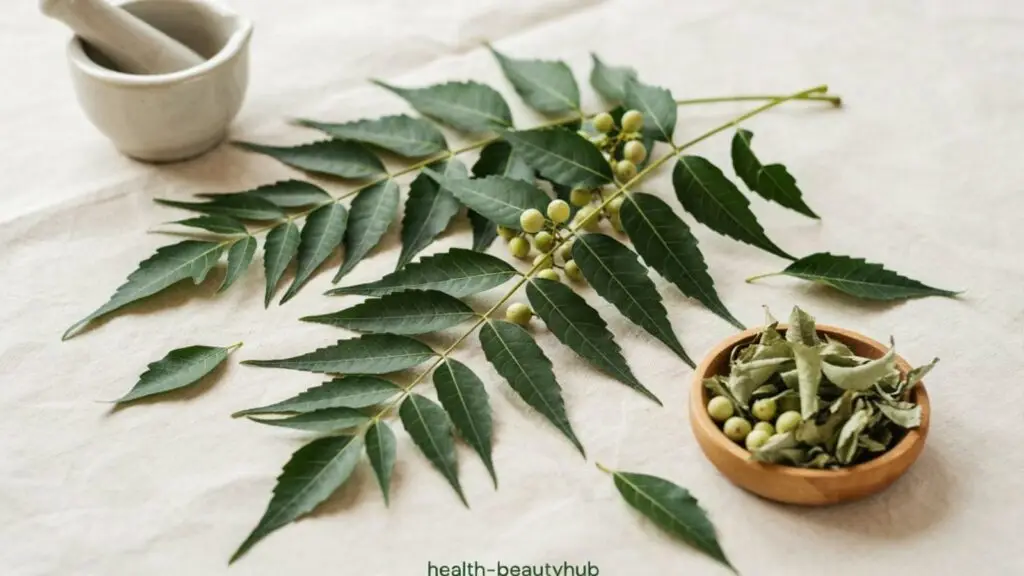
Neem is an evergreen tree traditionally used in South Asian herbal practices. Its leaves, bark, seeds, flowers, and oil contain various naturally occurring plant compounds that have attracted scientific interest. Different neem preparations have been used traditionally for oral hygiene, skin care, and general wellness.
Neem is often associated with antibacterial, antifungal, and anti-inflammatory properties, although the effects can vary depending on the part of the plant and how it is prepared. Because neem is used in many forms, understanding its traditional uses, potential benefits, and safety considerations is important before adding neem as a healing medicine to a personal wellness routine.
How Neem as a Healing Medicine Is Studied Scientifically
Researchers have studied neem for its naturally occurring compounds, including nimbidin, azadirachtin, and quercetin. Laboratory and early research have explored their potential antimicrobial and anti-inflammatory activities. However, findings from laboratory studies do not automatically mean that neem will produce the same effects in people.
For this reason, neem as a healing medicine is best discussed as a traditional herbal remedy with areas of ongoing research rather than as a proven treatment for diseases or infections.
Neem for Oral Health and Bad Breath
Neem as a healing medicine has traditionally been associated with oral hygiene, particularly through the use of neem twigs and neem-based preparations. Neem contains naturally occurring plant compounds that have been studied for their antibacterial properties, which may help explain its traditional use for maintaining oral cleanliness.
Neem-based toothpaste and mouth rinses are also used as part of some oral-care routines. However, they should not replace brushing with fluoride toothpaste, flossing, or regular dental checkups. If bad breath continues despite good oral hygiene, or if you have gum swelling, bleeding, or tooth pain, it is important to seek dental advice because these symptoms may have an underlying cause.
Can Neem Help With Bad Breath?
Bad breath can be linked to bacteria, food particles, dry mouth, or dental problems. Neem-based oral-care products may support mouth cleanliness, but they should not be presented as a proven treatment for persistent bad breath. If you use a neem mouth rinse, follow the product directions and avoid swallowing it.
Neem for Skin Health: Acne, Rashes, and Irritation
Neem as a healing medicine has traditionally been used in skin-care practices for concerns such as acne, minor rashes, and irritated skin. Neem contains plant compounds that have been studied for antibacterial and anti-inflammatory activity, which may help explain some of its traditional applications.
Neem is found in various skin-care preparations, including soaps, creams, pastes, and oils. However, its effects can vary from person to person, and neem should not be considered a proven treatment for skin infections or other medical conditions. Before applying neem to the skin, especially in concentrated forms, it is sensible to test a small area first because natural ingredients can still cause irritation or allergic reactions.
Neem for Acne and Oily Skin
Neem-based skin products are traditionally used to help keep oily or acne-prone skin clean. Its antimicrobial properties have attracted research interest, but there is not enough evidence to claim that neem can cure acne.
For everyday skin care, use gentle, non-comedogenic cleansing products alongside any neem-based product. Stop using neem if you notice burning, redness, swelling, or worsening irritation.
Top 10 Healing Benefits of Neem You Should Know
Neem as a healing medicine has a long history of use in traditional wellness practices. Different parts of the neem plant have been used for oral care, skin care, hair and scalp care, and other everyday wellness purposes. Research has also explored neem’s naturally occurring compounds for their potential antimicrobial and anti-inflammatory properties, although evidence varies depending on the preparation and intended use.
Supports Oral Hygiene and Fresh Breath
Neem has traditionally been used for oral hygiene, especially in South Asian practices. Neem leaves and twigs contain naturally occurring plant compounds that have been studied for antimicrobial activity. This is one reason neem has been used in traditional oral-care practices to help keep the mouth clean.
Neem-based toothpaste and mouth rinses are also available as personal-care products. They may be used alongside a regular oral-hygiene routine, but they should not replace brushing with fluoride toothpaste, flossing, or professional dental care.
If you experience persistent bad breath, bleeding gums, tooth pain, or swelling, it is better to consult a dentist rather than relying only on neem-based products.
Neem for Skin Health
Neem as a healing medicine has traditionally been used in skin-care practices for acne, minor rashes, and skin irritation. Neem leaves and other parts of the plant contain naturally occurring compounds that have been studied for antimicrobial and anti-inflammatory activity. These properties may help explain why neem has remained popular in traditional skin-care routines.
Neem can be found in different forms, including leaves, powder, paste, soaps, and oils. For everyday skin care, a neem-based product may be used according to its instructions, but it should not be considered a guaranteed treatment for acne, fungal infections, or other skin conditions.
If you are using neem directly on the skin, start with a small amount or patch test first. Neem as a healing medicine should be approached carefully because concentrated preparations may cause irritation or an allergic reaction in some people. Persistent rashes, severe acne, swelling, or signs of infection should be assessed by a healthcare professional.
Neem as a Source of Antioxidant Plant Compounds
Neem as a healing medicine contains naturally occurring plant compounds with antioxidant properties. Antioxidants help protect cells from oxidative stress, which is a normal process that occurs in the body. Neem leaves and other parts of the plant contain compounds such as flavonoids and other phytochemicals that have been investigated for their antioxidant activity.
These compounds are one reason neem continues to attract scientific interest. However, laboratory findings about antioxidant activity do not necessarily mean that consuming or applying neem will prevent or treat a particular disease. The potential effects can also vary depending on the part of the neem plant, preparation, and amount used.
Including neem in a wellness routine should therefore be approached as a traditional herbal practice rather than a proven medical treatment. If you are considering concentrated neem supplements or internal use, safety and appropriate dosage should be discussed with a qualified healthcare professional.
Neem May Support Antimicrobial Care
Neem as a healing medicine has traditionally been valued for its antimicrobial properties. Compounds found in neem have been investigated for activity against certain bacteria and fungi, which may help explain its use in traditional skin, oral, and personal-care practices.
Neem is used in products such as soaps, toothpaste, mouth rinses, and skin preparations. However, antimicrobial activity observed in laboratory studies does not mean neem can treat an infection in the human body. The effect can depend on the neem preparation, concentration, and how it is used.
For this reason, neem-based products are better viewed as a supportive part of personal hygiene and traditional wellness, rather than a substitute for appropriate treatment when an infection or other medical problem is present.
Neem May Have Anti-Inflammatory Properties
Neem has traditionally been used in herbal preparations for concerns involving skin irritation and inflammation. Some neem compounds have been studied for their potential anti-inflammatory activity, which may help explain its continued use in traditional skin and wellness practices.
Neem as a healing medicine should not be considered a proven way to treat inflammatory diseases or ongoing pain. Research findings can differ depending on the neem preparation and how it is used. For everyday care, neem-based products should be used according to their instructions and stopped if they cause irritation or discomfort.
If redness, swelling, pain, or inflammation is persistent or worsening, professional medical advice is more appropriate than relying on neem alone.
Neem May Support Healthy Digestion
Neem has traditionally been used in some herbal practices as part of digestive and general wellness routines. Different parts of the neem plant contain naturally occurring compounds, but evidence for specific digestive benefits in humans remains limited.
Neem as a healing medicine should not be used as a treatment for digestive disorders or persistent stomach problems. If you experience ongoing abdominal pain, vomiting, diarrhea, or other digestive symptoms, it is better to identify the underlying cause with a healthcare professional.
For people interested in traditional neem use, the form and amount matter. Concentrated neem products should be used cautiously, and internal use should not be started without considering possible side effects or interactions with medicines.
Neem and Immune Health
Neem has a long history of use in traditional wellness practices, including preparations intended to support general health. Some neem compounds have been studied for their antioxidant and antimicrobial properties, but there is limited human evidence to show that neem directly strengthens or boosts the immune system.
Neem as a healing medicine should therefore not be described as a way to prevent infections or replace vaccines, prescribed medicines, or other established preventive care. If you are considering neem supplements or consuming neem regularly, it is important to consider the dose, possible side effects, and interactions with medicines.
Neem can be part of traditional wellness practices, but its potential effects on immune health require more research before specific health claims can be made.
Neem for Hair and Scalp Care
Neem has traditionally been used in hair and scalp care, particularly in routines aimed at maintaining scalp cleanliness and managing dandruff or itching. Neem leaves and oil contain naturally occurring plant compounds that have been studied for antimicrobial activity, which may contribute to their traditional use in scalp-care preparations.
Neem as a healing medicine may be used in products such as neem oil, shampoos, rinses, and hair-care preparations. However, neem should not be presented as a proven treatment for hair loss, fungal scalp conditions, or other medical problems. Persistent dandruff, severe itching, redness, or unusual hair shedding may require professional evaluation.
If you apply neem oil or another concentrated preparation to your scalp, follow the product instructions and consider a small patch test first. Stop using it if you experience burning, swelling, or irritation.
Neem May Support General Skin and Personal Hygiene
Neem has traditionally been included in personal-care routines because different parts of the plant are used in soaps, washes, oils, and other herbal preparations. Its naturally occurring plant compounds have been studied for antimicrobial activity, which may be relevant to everyday hygiene and skin-care practices.
Neem as a healing medicine can be used in a variety of traditional preparations, but the specific benefits depend on the form and method of use. A neem-based product should not be considered a substitute for medical treatment when there is a persistent skin problem, wound, or suspected infection.
For safer use, choose products intended for the specific purpose and follow their directions. Avoid applying concentrated neem preparations to damaged or highly sensitive skin unless advised by a healthcare professional.
Neem Contains Plant Compounds Being Studied for Health Effects
Neem contains a variety of naturally occurring compounds that continue to be studied for their potential health-related properties. Researchers have examined compounds found in neem leaves, seeds, and other plant parts for antioxidant, antimicrobial, and anti-inflammatory activity.
Neem as a healing medicine remains an area of interest because these plant compounds may have different effects depending on the preparation, concentration, and method of use. However, research findings do not establish neem as a cure for diseases, and more human research is needed before specific therapeutic claims can be made.
For readers interested in traditional neem use, the most important consideration is safe and appropriate use. Neem-based products should be selected according to their intended purpose, while concentrated or internal preparations should be approached with particular caution.
How to Use Neem Safely: Leaves, Powder, Oil, Paste & Water
Neem can be prepared and used in several forms, but the safety of neem depends on how it is prepared, how much is used, and whether it is taken internally or applied to the skin. Traditional use does not automatically mean that every neem preparation is safe for everyone.
- Neem leaves: Fresh leaves are traditionally used in some herbal preparations, but there is no universally established daily amount that can be considered safe for everyone.
- Neem powder: If using a commercial neem powder, follow the manufacturer’s directions rather than assuming that a particular teaspoon amount is appropriate.
- Neem oil: Neem oil is commonly used externally in skin and hair products. Avoid swallowing it, and dilute concentrated oil according to the product instructions.
- Neem paste: A small amount may be applied to the skin in traditional routines, but patch testing first can help identify irritation or sensitivity.
- Neem water: Neem-infused water is used traditionally for skin and hair care. Make a fresh preparation and avoid using it on irritated or broken skin if it causes discomfort.
Neem as a healing medicine should be approached as a traditional wellness practice rather than a replacement for medical treatment. Avoid experimenting with concentrated neem preparations, particularly for internal use, without professional guidance.
Also, don’t claim that taking neem on an empty stomach or using it every day is automatically beneficial. The appropriate use can vary by product and individual circumstances.
Side Effects and Risks: Who Should Avoid Neem Completely?
Neem is powerful, but not everyone should use it. Pregnant women must avoid neem because it can stimulate the body in ways that are unsafe during pregnancy. It is also risky for breastfeeding mothers, as neem’s strong compounds may pass to the baby. People with kidney or liver issues should stay away from neem because it may place extra stress on these organs, especially when taken internally. Neem is also not suitable for young children, as their bodies are too sensitive for such a strong herbal medicine.
Using too much neem can cause nausea, weakness, or low blood sugar, which makes overuse dangerous. High doses of neem oil can be toxic and must never be taken by mouth. Always follow safe amounts and avoid mixing different forms of neem simultaneously. Neem as a healing medicine works best when used carefully and with attention to individual safety and possible risks.
Side Effects and Risks: Who Should Avoid Neem?
Although neem has a long history of traditional use, it is not risk-free. Neem as a healing medicine can cause unwanted effects, particularly when concentrated preparations are swallowed or used in large amounts. Safety can also vary depending on the form of neem and the person’s age, health, and medications.
Possible Side Effects of Neem
Potential concerns may include:
- Nausea or stomach discomfort
- Vomiting or diarrhea
- Allergic skin reactions or irritation
- Low blood sugar, particularly with internal use
- Problems associated with excessive or prolonged use
- Toxic effects from swallowing neem oil, especially in children
Neem oil should not be swallowed. Neem oil poisoning has been reported, particularly in young children, so keep neem oil and concentrated preparations safely out of their reach.
Who Should Be Especially Careful?
Pregnant or breastfeeding people, young children, and anyone taking regular medicines should speak with a healthcare professional before using neem internally. People with existing health conditions should also avoid self-treating with concentrated neem preparations.
If you develop severe vomiting, unusual drowsiness, breathing problems, seizures, or other serious symptoms after ingesting neem or neem oil, seek urgent medical help.
Conclusion
Neem as a healing medicine has been part of traditional wellness practices for generations, with its leaves, seeds, and oil commonly used in oral hygiene, skin care, hair care, and other everyday wellness routines. Its leaves, seeds, bark, and oil contain naturally occurring plant compounds that have been studied for antioxidant, antimicrobial, and anti-inflammatory properties.
However, traditional use and early research do not mean that neem can cure diseases or replace medical treatment. The potential benefits and safety of neem can vary depending on the preparation, amount, and method of use. Using neem responsibly, following product instructions, and understanding its possible side effects can help make its traditional uses safer and more practical.
For persistent health, skin, oral, or scalp concerns, professional medical or dental advice remains important rather than relying on neem as a healing medicine alone.
FAQs
What are the main benefits of neem?
Neem is traditionally included in oral hygiene, skin care, hair and scalp routines, and various general wellness practices. Its natural plant compounds are also being studied for antioxidant and antimicrobial properties.
Is neem good for skin?
Neem has traditionally been used in skin-care routines for acne-prone and irritated skin, but it is not a proven cure for skin conditions.
Can neem help with bad breath?
Neem-based oral-care products may support mouth cleanliness, but persistent bad breath should be evaluated by a dentist.
Can neem be used for hair and dandruff?
Neem is traditionally used for scalp care, particularly for dandruff and itching, although it is not a guaranteed treatment for hair loss.
How can I use neem safely?
Neem as a healing medicine can be used in forms such as leaves, powder, oil, paste, and infused water, but concentrated or internal preparations should be used cautiously.

I am a professional SEO content writer with over 4 years of experience in creating high-quality content in the health and beauty niche. I specialize in writing research-based, easy-to-understand articles that help readers improve their skincare, wellness, and daily lifestyle.
My goal is to provide accurate, practical, and user-friendly information so readers can make informed decisions about their health and beauty routines.
Note: The information provided is for educational purposes only and should not be considered medical advice.
2 thoughts on “Amazing Neem as a Healing Medicine: Top 10 Health Benefits”