
Introduction
Soursop health benefits have recently gained attention among people looking for natural ways to support overall wellness. Soursop, also known as graviola, is a tropical fruit valued for its rich antioxidant properties, essential nutrients, and traditional uses in herbal practices. The fruit and its leaves are commonly used to support the immune system, digestion, and general vitality. Many cultures have long relied on soursop for its potential role in promoting heart health, balancing blood sugar, and reducing inflammation. However, understanding how to use soursop safely is just as important as knowing its benefits. This article explains what soursop is, how it is used, and what research and tradition suggest.
What Is Soursop? (Fruit and Plant Overview)
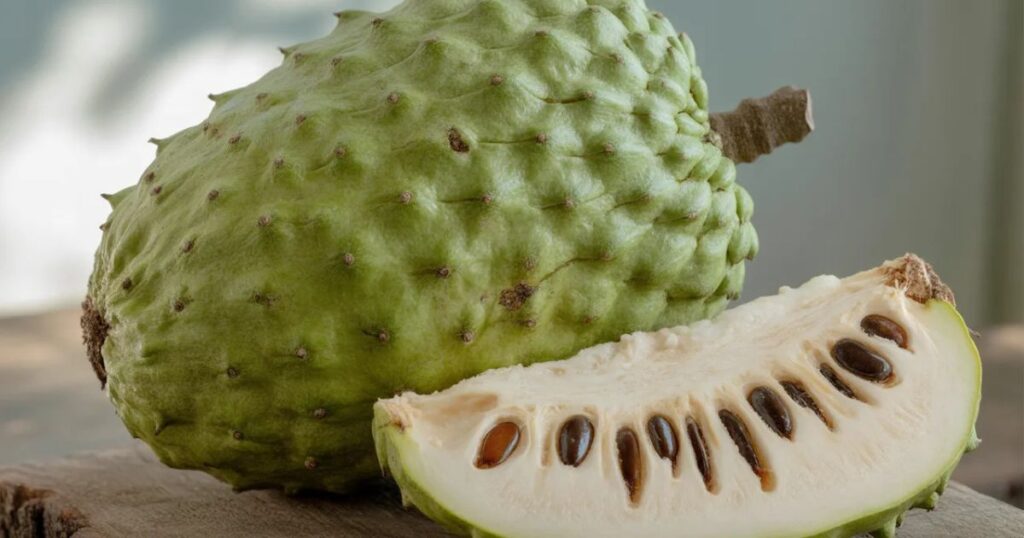
Soursop is a tropical fruit that grows on the Annona muricata tree, which is native to warm regions of Central and South America and parts of the Caribbean. The fruit is easily recognized by its green, spiky outer skin and soft white flesh inside. It has a mildly sweet and slightly sour taste, often compared to a mix of strawberry and pineapple.
The soursop plant is not only valued for its fruit but also for its leaves, which are widely used in traditional herbal practices. In many cultures, different parts of the plant are prepared as teas, juices, or natural remedies. Due to its nutritional profile and traditional importance, soursop health benefits are often discussed in relation to overall wellness, digestion, and immune support when used responsibly.
Nutritional Value of Soursop Fruit
Soursop fruit offers a range of essential nutrients that contribute to its overall health value. It is a good source of vitamin C, which helps support the immune system and protects the body from oxidative stress. The fruit also contains dietary fiber, which plays an important role in digestion and gut health.
In addition, soursop provides small amounts of potassium, magnesium, and B vitamins that support heart function and energy metabolism. Because of this balanced nutrient profile, many people associate soursop health benefits with improved digestion, immune support, and general wellness when the fruit is consumed in moderation as part of a healthy diet. Soursop is often included among other healthy plant-based foods that contribute to a balanced and nutrient-rich diet.
Soursop Health Benefits: What Research and Tradition Suggest
Both traditional medicine and modern research have explored soursop health benefits for many years. In folk practices, soursop fruit and leaves have been used to support digestion, boost immunity, and promote overall vitality. Traditional healers often prepared teas or juices, believing they helped the body maintain balance and strength.
From a research perspective, studies suggest that soursop contains antioxidants and bioactive compounds that may help reduce oxidative stress and inflammation in the body. These properties are often linked with heart health support, better metabolic function, and immune defense. Some research also looks at its potential role in managing blood sugar and fighting harmful microbes. While findings are still developing, combining scientific insight with traditional use helps explain why soursop remains valued as a natural wellness-supporting fruit when used safely and in moderation. These antioxidant properties are similar to those found in other natural antioxidant foods commonly used for daily wellness.
Soursop Leaves: Uses, Benefits, and Herbal Importance
Soursop leaves have been used for generations in traditional herbal medicine, especially in tropical regions. The leaves are most commonly prepared as an herbal tea and are valued for their natural compounds that may support overall wellness. Traditionally, soursop leaf tea has been used to promote relaxation, support digestion, and help the body cope with everyday stress.
From an herbal perspective, the importance of soursop leaves lies in their antioxidant and plant-based compounds, which are believed to support immune function and reduce inflammation. Modern interest in soursop health benefits has also brought attention to the leaves, particularly for their potential role in supporting heart health and metabolic balance. Despite their popularity, experts recommend using soursop leaves in moderation and with proper guidance to avoid possible side effects.
15 Potential Health Benefits of Soursop Leaves
Soursop leaves are widely used in traditional herbal practices and are valued for their plant-based compounds. Below are potential benefits based on traditional use and early research. These are not medical claims.
- May support the immune system
- May help reduce inflammation in the body
- May promote relaxation and calmness
- May support better sleep quality
- May help with digestive comfort
- May support healthy blood pressure levels
- May assist in managing blood sugar balance
- May provide antioxidant protection
- May help the body fight harmful bacteria
- May support liver function
- May help relieve mild joint discomfort
- May support gut health
- May help reduce fever in traditional use
- May support heart wellness as part of a healthy lifestyle
- May contribute to overall wellness when used responsibly
Because of these uses, soursop health benefits are often discussed in both traditional and modern wellness contexts. However, soursop leaves should always be used in moderation, and long-term or excessive use is not recommended without professional advice.
Possible Side Effects and Safety Concerns of Soursop
While many people are interested in soursop health benefits, it is important to understand the possible side effects and safety concerns associated with its use. Consuming soursop in large amounts may cause nausea, low blood pressure, or digestive discomfort in some individuals. The leaves, when used frequently or for long periods, may affect nerve function due to certain plant compounds.
People with low blood pressure, diabetes, or neurological conditions should be especially cautious, as soursop may interact with medications or worsen symptoms. Pregnant and breastfeeding women are generally advised to avoid soursop leaves and supplements due to limited safety research. To reduce risks, soursop should be consumed in moderation, and herbal products should not be used as a substitute for medical treatment or professional advice.
Who Should Avoid Using Soursop?
Although soursop is often promoted for its natural health benefits, it is not suitable for everyone. Certain individuals should avoid using soursop or consult a healthcare professional before adding it to their routine.
People with low blood pressure should be cautious, as soursop may further lower blood pressure, leading to dizziness or weakness. Individuals with diabetes should also avoid regular use without medical guidance because soursop may affect blood sugar levels and interfere with medications.
Those with neurological disorders, such as Parkinson’s disease, are advised to avoid soursop leaves and extracts. Some compounds in soursop have been linked to nerve-related side effects when used excessively. Pregnant and breastfeeding women should not use soursop leaves or supplements due to a lack of reliable safety studies.
Additionally, people taking antihypertensive, antidepressant, or blood sugar–lowering medications should avoid soursop unless approved by a doctor, as interactions may occur. Using soursop responsibly and with proper guidance helps reduce potential health risks while ensuring overall safety.
How to Eat or Use Soursop Safely
Soursop can be enjoyed safely when consumed in moderation and in the right form. The fresh fruit is the safest option. Wash it thoroughly, remove the skin and seeds, and eat the pulp raw or use it in juices, smoothies, or desserts. Avoid crushing or blending the seeds, as they contain compounds that may be harmful.
When using soursop leaves, limit intake to mild herbal preparations such as light teas made from a few dried leaves. Do not consume concentrated extracts or supplements unless advised by a healthcare professional. Long-term or excessive use may reduce the positive soursop health benefits and increase the risk of side effects.
People with existing medical conditions or those taking medication should consult a doctor before using soursop regularly. Pregnant or breastfeeding women should avoid medicinal use altogether. By choosing natural forms, controlling portion size, and avoiding overuse, you can benefit from soursop while minimizing potential health risks.
Conclusion
Soursop is a unique tropical fruit valued for its nutritional content, traditional uses, and natural wellness support. From the fruit to the leaves, soursop health benefits are often discussed when it is used responsibly and in moderation. However, like many herbal foods, soursop is not suitable for everyone and should be consumed with care. Understanding proper usage, possible side effects, and safety guidelines helps ensure you gain benefits without risk. When used wisely as part of a balanced lifestyle, soursop can be a helpful natural addition rather than a cure-all.
FAQs
What is soursop used for?
Soursop is commonly used as a nutritious fruit and in traditional remedies. Many people explore soursop health benefits for general wellness, digestion support, and immune health when consumed in moderation.
Is soursop safe to eat daily?
Eating small amounts of fresh soursop occasionally is generally safe. Daily or excessive use, especially of leaves or supplements, is not recommended.
Can soursop help with serious diseases?
While soursop contains beneficial plant compounds, it should not be considered a medical treatment. Always rely on professional medical advice.
Are soursop leaves safe?
Soursop leaves are sometimes used in herbal teas, but only in limited amounts. Overuse may reduce the positive soursop health benefits and increase the risk of side effects, so moderation is important.
Who should avoid soursop?
Pregnant women, people with low blood pressure, neurological conditions, or those on medication should avoid regular use without medical guidance.