
Introduction
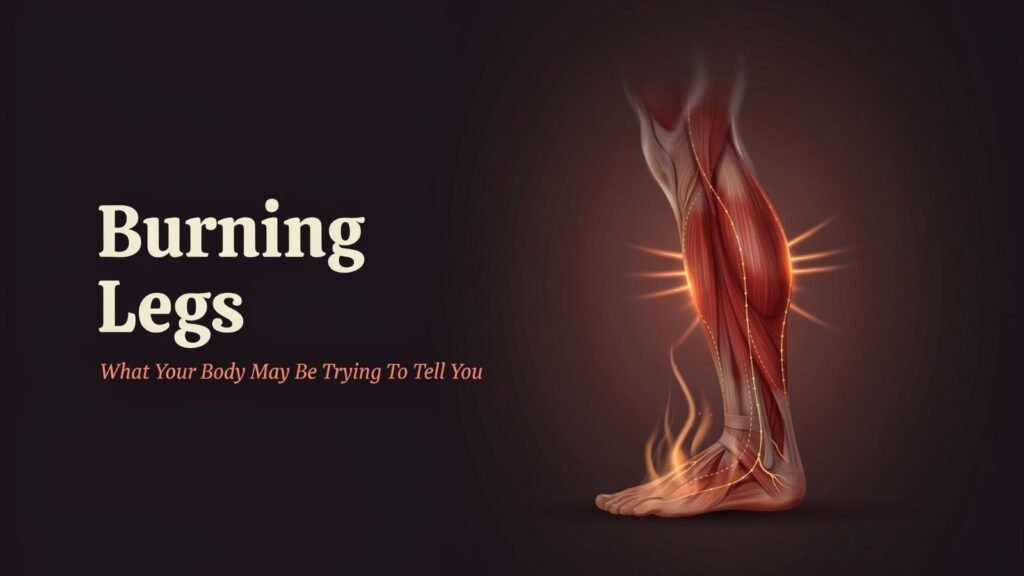
Imagine sitting down to relax after a long day, only to notice that your legs suddenly feel unusually hot, tingling, or as if they are burning from the inside. For some people, the sensation appears after physical activity or prolonged standing, while others may experience it during the night without any obvious reason. Although the feeling can be uncomfortable or even alarming, it does not always point to a serious medical condition. In many cases, temporary factors such as muscle fatigue, heat exposure, or lifestyle habits may play a role, while persistent or recurring symptoms may deserve further attention.
Understanding what burning legs may indicate is the first step toward making informed decisions about your health. Rather than assuming the cause or ignoring the symptom, it is helpful to look at the bigger picture, including accompanying signs, daily habits, and overall well-being.
This educational guide explains what a burning sensation in the legs may feel like, explores common temporary and underlying causes, discusses practical ways to find relief, and highlights situations in which professional medical evaluation may be appropriate. The information is intended to help you better understand this symptom and support informed conversations with a qualified healthcare provider when needed.
What Does a Burning Sensation in the Legs Feel Like?
A burning sensation in the legs is more than simply feeling warm after exercise or spending time outdoors on a hot day. Many people describe it as an unusual feeling of heat, stinging, or irritation beneath the skin that may affect one or both legs. The sensation can develop gradually or appear suddenly, lasting from a few minutes to several hours depending on the underlying cause.
Because people experience symptoms differently, burning legs are often confused with other types of discomfort. Understanding these differences can make it easier to recognize what you are experiencing and decide whether the symptom should be monitored more closely.
| Sensation | What It May Feel Like |
|---|---|
| Burning | A persistent feeling of heat, stinging, or irritation that may seem as though the skin or muscles are unusually hot. |
| Tingling | A “pins and needles” sensation that often comes and goes and may occur before or alongside burning. |
| Numbness | Reduced or complete loss of normal feeling in part of the leg, making it feel less sensitive to touch. |
| Warmth | A mild increase in temperature without pain, often related to physical activity, warm weather, or increased blood flow. |
| Muscle soreness | A dull, aching discomfort that commonly develops after exercise or strenuous activity rather than a burning sensation. |
Some people notice burning legs only after walking long distances, exercising, or standing for extended periods, while others experience the sensation mainly at night when trying to rest. It may also occur alongside symptoms such as tingling, mild numbness, muscle weakness, swelling, or changes in skin color, depending on the underlying reason.
Although an occasional burning sensation may be temporary and improve with rest, hydration, or reducing physical strain, symptoms that become frequent, worsen over time, or are accompanied by weakness, significant swelling, or persistent numbness deserve professional medical evaluation to determine the underlying cause.
What Can Cause Burning Legs?
A burning sensation in the legs can develop for many different reasons. Sometimes it is linked to temporary factors that improve with rest or simple lifestyle changes. In other cases, it may be associated with an underlying health condition that affects the nerves, muscles, blood vessels, or other body systems. Understanding the possible cause is important because the burning sensation itself is a symptom rather than a condition.
Temporary Causes That Often Improve on Their Own
Intense Exercise
After a challenging workout or long-distance walk, your leg muscles work harder than usual. This increased activity can temporarily raise muscle temperature and lead to the buildup of natural byproducts, making your legs feel warm, tired, or as though they are burning. The sensation usually improves after resting, stretching, and staying well hydrated.
Hot Weather
High temperatures can make it more difficult for the body to regulate heat. During hot weather, blood vessels naturally dilate to help dissipate excess heat, which may cause some people to notice warmth or a mild burning sensation in their legs. Sweating, dehydration, and spending long periods outdoors may make the sensation more noticeable. Learning to recognize the warning signs of heat-related illness is especially important if the burning sensation occurs alongside dizziness, confusion, excessive sweating, or other symptoms of heat stress.
Muscle Fatigue
Muscles that have been overused during physical activity, heavy lifting, or prolonged standing may become fatigued. Instead of sharp pain, some people experience a burning or aching sensation as tired muscles recover. This discomfort is generally temporary and often improves within a day or two.
Minor Injuries
Small muscle strains, bruises, or overstretched ligaments can trigger inflammation as the body begins its natural healing process. This inflammation may create a burning sensation around the affected area, especially when moving or putting weight on the leg. Mild injuries often improve with appropriate rest and self-care.
Health Conditions That May Cause Burning Legs
Nerve-Related Conditions
Healthy nerves constantly send signals between your legs and your brain. When these nerves become irritated, compressed, or damaged, the signals may become abnormal, causing sensations such as burning, tingling, numbness, or “pins and needles.” Conditions affecting the nerves are among the most common causes of persistent burning in the legs.
Poor Circulation
Your legs rely on healthy blood flow to deliver oxygen and nutrients to muscles and other tissues. If circulation becomes less efficient, some people may notice burning, heaviness, cramping, or unusual warmth, particularly after standing or walking for long periods. The discomfort may improve after resting or changing position, depending on the underlying cause.
Vitamin Deficiencies
Certain vitamins, particularly those that support normal nerve function, play an important role in keeping the nervous system healthy. When the body does not get enough of these nutrients, nerve communication may become less efficient, increasing the likelihood of symptoms such as burning, tingling, or numbness in the legs. A healthcare professional can determine whether a nutritional deficiency may be contributing to these symptoms.
Diabetes
Over time, consistently high blood sugar levels can affect the small nerves that carry messages between the brain and the legs. As these nerves become damaged, some individuals develop a gradual burning sensation that may begin in the feet before extending upward into the legs. The feeling is often more noticeable during the evening or at night.
Shingles
Shingles is a viral infection that affects the nerves and typically causes a painful rash. Before the rash appears, some people first notice burning, tingling, or increased sensitivity in one area of the leg. Because the virus irritates the affected nerve, the discomfort may continue even after the skin has healed in some individuals.
Multiple Sclerosis
Multiple sclerosis is a condition that affects the central nervous system, including the brain and spinal cord. When communication between the brain and the nerves is disrupted, some people may experience unusual sensations such as burning, tingling, numbness, or altered sensitivity in the legs. These symptoms vary widely from person to person and require medical evaluation to identify their underlying cause.
Could Your Daily Habits Be Contributing?
Not every case of burning legs is linked to an underlying medical condition. In many situations, everyday habits can place extra stress on the muscles, nerves, or blood circulation, making the legs feel hot, irritated, or uncomfortable. Identifying these lifestyle factors may help you better understand why the sensation occurs and what changes might reduce it over time.
Sitting for Long Periods
Spending hours at a desk, driving long distances, or remaining seated without regular movement may slow normal blood circulation in the legs. Reduced movement can also increase muscle stiffness and place pressure on certain nerves, which may contribute to temporary burning, tingling, or discomfort. Standing up, stretching, and taking short walking breaks throughout the day may help keep the legs active.
Standing All Day
Jobs that require prolonged standing, such as teaching, retail work, or healthcare, can place continuous strain on the leg muscles and blood vessels. Over time, this may lead to tired, heavy, or burning legs, particularly toward the end of the day. Wearing supportive footwear and changing positions regularly may help reduce this type of discomfort.
Tight Clothing
Clothing that fits too tightly around the waist, hips, or thighs may place pressure on nearby nerves or reduce comfort during movement. While occasional tight clothing is unlikely to cause long-term problems, wearing restrictive garments for extended periods may contribute to temporary burning or tingling sensations in some individuals.
Dehydration
Water plays an important role in supporting healthy muscle and nerve function. When the body loses more fluids than it replaces, especially during hot weather or physical activity, muscles may become more prone to cramps and fatigue. In some cases, dehydration may contribute to sensations of warmth or burning legs until fluid balance is restored. Recognizing the early signs of dehydration and replacing lost fluids promptly may help reduce heat-related discomfort and support normal muscle function.
Alcohol Consumption
Frequent or excessive alcohol intake may affect the nervous system over time. In some people, long-term alcohol use can interfere with normal nerve function, increasing the likelihood of burning, tingling, or numbness in the legs. Reducing alcohol consumption may support overall nerve health as part of a healthy lifestyle.
Smoking
Smoking can affect blood vessels and reduce the efficient delivery of oxygen to body tissues. Over time, these changes may influence circulation and nerve health, potentially contributing to discomfort in the legs. Quitting smoking offers benefits for overall cardiovascular and general health beyond reducing leg-related symptoms.
Poor Footwear
Shoes that lack proper support or cushioning may place unnecessary stress on the feet, ankles, and lower legs. This extra strain can gradually affect posture, walking patterns, and muscle function, increasing the likelihood of soreness or a burning sensation after prolonged activity. Choosing well-fitted, supportive footwear can improve overall comfort.
Nutritional Habits
A balanced diet provides the vitamins and minerals that support healthy muscles and nerves. Diets that consistently lack essential nutrients may increase the risk of fatigue, muscle weakness, or nerve-related symptoms over time. Eating a variety of nutrient-rich foods, including hydrating foods, and staying properly hydrated supports overall leg health and may help reduce factors associated with burning legs.
Although lifestyle habits may contribute to discomfort, persistent or worsening symptoms should not be explained by lifestyle factors alone. If burning legs continue despite healthy daily habits or occur alongside weakness, significant numbness, or changes in skin color, a professional medical evaluation is recommended to identify the underlying cause.
Symptoms That May Occur Alongside Burning Legs
A burning sensation is often not the only symptom a person experiences. Paying attention to other changes in your legs or overall health may provide helpful clues about what could be contributing to the discomfort. While these symptoms do not confirm a specific condition, they may help you understand when it is appropriate to monitor your symptoms more closely or seek professional medical evaluation.
| Symptom | What It May Suggest |
|---|---|
| Tingling | May be associated with temporary nerve irritation or changes in nerve function. |
| Numbness | May indicate reduced sensation or possible nerve involvement. |
| Swelling | Can sometimes be linked to fluid buildup, prolonged standing, or circulation-related concerns. |
| Muscle cramps | May occur due to dehydration, muscle fatigue, or an imbalance of certain minerals. |
| Weakness | May suggest that the muscles or nerves are not functioning as expected and should be evaluated if persistent. |
| Skin color changes | Pale, bluish, or reddish skin may indicate changes in blood circulation or inflammation. |
| Warmth or redness | May occur with inflammation, minor injury, or other conditions affecting the affected area. |
| Pain while walking | May sometimes be associated with muscle strain, joint problems, or circulation-related issues. |
The combination of symptoms is often more informative than a burning sensation alone. For example, burning legs with mild muscle fatigue after exercise may have a different explanation than burning accompanied by persistent numbness, significant swelling, or increasing weakness. If your symptoms become more frequent, interfere with daily activities, or continue to worsen despite rest and healthy lifestyle habits, it is advisable to seek professional medical evaluation.
When Should Burning Legs Not Be Ignored?
An occasional burning sensation after strenuous activity or prolonged standing may improve with rest and simple self-care. However, burning legs that become persistent, severe, or occur alongside other concerning symptoms should not be ignored. While these signs do not always indicate a serious condition, they may suggest that your body needs professional medical evaluation to determine the underlying cause.
Symptoms That Deserve Prompt Medical Attention
- Symptoms lasting several days: If the burning sensation continues for several days without improvement or keeps returning, it may indicate an underlying issue that requires further assessment rather than temporary muscle fatigue.
- Severe or worsening pain: Intense pain or discomfort that interferes with walking, sleeping, or daily activities deserves medical attention because it may be associated with nerve, muscle, or circulation-related problems.
- Weakness in one or both legs: Burning accompanied by muscle weakness may suggest that the nerves or muscles are not functioning normally, making professional evaluation important.
- Difficulty walking or maintaining balance: If the burning sensation affects your ability to walk safely, stand steadily, or perform everyday tasks, it should be assessed to identify the reason behind these changes.
- Sudden swelling: Rapid swelling, especially if it develops in one leg or is associated with pain, warmth, or redness, should not be ignored because it may require timely medical assessment.
- Changes in skin color: Skin that becomes unusually pale, bluish, dark, or bright red may indicate changes in blood flow or inflammation that deserve professional evaluation.
- Fever or signs of infection: If burning legs occur together with fever, chills, or redness that continues to spread, the symptoms may be related to an infection or another condition that requires medical care.
Although these symptoms do not confirm a specific diagnosis, they should not be dismissed, especially if they appear suddenly, become more severe, or occur together. Seeking timely medical evaluation can help identify the underlying cause and determine the most appropriate course of care.
How Is the Cause of Burning Legs Identified?
Because burning legs can have many possible causes, there is no single test that provides an answer for everyone. Instead, healthcare professionals usually begin by understanding your symptoms, medical history, and overall health before deciding whether additional tests are necessary. The goal is to identify the underlying cause rather than treating the burning sensation alone.
Medical History
The evaluation often begins with questions about when the burning sensation started, how frequently it occurs, whether it affects one or both legs, and if it is associated with activities such as exercise or prolonged standing. You may also be asked about existing health conditions, medications, family history, and lifestyle habits that could provide helpful clues.
Physical Examination
A physical examination allows a healthcare professional to assess muscle strength, reflexes, skin appearance, circulation, and sensation in the legs. This examination helps identify visible changes or physical findings that may explain the symptoms or guide further testing.
Blood Tests
General blood tests may be recommended to look for underlying health issues that could contribute to burning sensations. These tests can help evaluate overall health and identify factors that may require additional investigation.
Vitamin Tests
Because certain vitamins play an important role in maintaining healthy nerve function, a healthcare professional may recommend vitamin testing if a nutritional deficiency is suspected. Identifying and correcting a deficiency may help explain symptoms in some individuals.
Blood Sugar Testing
Blood sugar testing may be performed to determine whether abnormal glucose levels could be affecting nerve health. Identifying changes in blood sugar is an important step when evaluating persistent or recurring burning legs.
Imaging Tests
Imaging studies, such as X-rays or MRI scans, are not routinely required for everyone. However, they may be recommended if there is concern about injuries, structural problems, or conditions affecting the spine or surrounding tissues that could contribute to leg symptoms.
Nerve Function Tests
If nerve-related problems are suspected, specialized nerve function tests may help evaluate how well the nerves transmit signals. These tests can provide additional information when symptoms such as burning, tingling, or numbness continue without a clear explanation.
The type of evaluation varies from person to person and depends on individual symptoms, medical history, and examination findings. Not everyone with burning legs will need every test, and healthcare professionals generally recommend investigations based on the most likely underlying cause.
What Can You Do to Find Relief?
The best way to manage burning legs depends on the underlying cause. However, if the sensation is mild, occasional, and not accompanied by warning signs such as severe pain, significant swelling, or weakness, simple self-care measures may help improve comfort while supporting overall leg health.
Simple Home Care Tips
Stay Well Hydrated
Proper hydration supports normal muscle and nerve function while helping the body regulate temperature more effectively. Drinking enough fluids throughout the day may reduce discomfort related to heat, physical activity, or dehydration. During warmer months, choosing hydrating foods alongside regular water intake may also support healthy hydration levels.
Stretch Regularly
Gentle stretching before and after exercise, as well as after long periods of sitting or standing, may help reduce muscle tightness and improve flexibility. Regular movement also supports healthy blood circulation, which may reduce temporary discomfort in the legs.
Wear Supportive Footwear
Shoes that fit properly and provide adequate cushioning can reduce unnecessary stress on the feet, ankles, and lower legs. If you spend long hours standing or walking, supportive footwear may help minimize muscle fatigue and improve overall comfort.
Give Your Legs Time to Rest
After strenuous activity or prolonged standing, allowing your legs to rest may help reduce temporary burning sensations caused by muscle overuse. Elevating your legs for a short period may also improve comfort for some individuals.
Try a Cold Compress When Appropriate
If the burning sensation follows minor physical activity, heat exposure, or a mild muscle strain, applying a cold compress for short periods may help ease temporary discomfort. Avoid placing ice directly on the skin, and discontinue use if symptoms worsen or the cause of the burning sensation is unclear.
Maintain a Balanced Diet
A nutritious diet provides the vitamins and minerals needed to support healthy muscles and nerves. Eating a variety of whole grains, fruits, vegetables, lean proteins, and healthy fats may contribute to overall nerve and muscle health while supporting your body’s natural recovery processes.
Although these home care strategies may provide relief in some situations, they are not intended to treat every cause of burning legs. If symptoms persist, become more severe, or occur alongside warning signs such as weakness, fever, or sudden swelling, professional medical evaluation is recommended.
Professional Treatment Depends on the Underlying Cause
There is no single treatment that works for everyone with burning legs because the sensation itself is a symptom rather than a medical condition. The most appropriate treatment depends on what is causing the discomfort, which is why identifying the underlying reason is an important first step.
For example, if the burning sensation is related to dehydration or muscle fatigue, improving hydration, resting, and allowing the muscles to recover may be sufficient. If it is associated with a vitamin deficiency, correcting the nutritional imbalance under the guidance of a healthcare professional may help improve symptoms. When an underlying condition such as diabetes, poor circulation, or a nerve-related disorder is involved, the treatment plan is typically directed at managing that specific condition rather than the burning sensation alone.
In some situations, healthcare professionals may recommend lifestyle modifications, physical therapy, or other supportive approaches to improve comfort and mobility. The recommended plan varies from person to person based on their symptoms, medical history, overall health, and the results of any necessary evaluations.
Because burning legs can have many different causes, self-treating persistent or worsening symptoms without understanding the underlying reason may delay appropriate care. Seeking professional medical evaluation can help ensure that any treatment is based on an accurate assessment rather than on symptoms alone.
Can Burning Legs Be Prevented?
Not every case of burning legs can be prevented because the symptom may result from underlying medical conditions or injuries that are beyond your control. However, adopting healthy daily habits may lower the risk of some common causes and support better muscle, nerve, and circulation health over time.
Stay Physically Active
Regular physical activity helps improve blood circulation, maintain muscle strength, and support healthy nerve function. Walking, stretching, and other low-impact exercises may also reduce stiffness caused by sitting or standing in the same position for long periods.
Maintain a Healthy Weight
Maintaining a healthy weight reduces unnecessary pressure on the muscles, joints, and blood vessels in your legs. It may also lower the risk of certain health conditions that can contribute to leg discomfort over time.
Manage Chronic Health Conditions
If you have an ongoing condition such as diabetes or poor circulation, following your recommended treatment plan and attending regular medical check-ups may help reduce the likelihood of complications that could contribute to burning legs. Never make changes to prescribed treatment without consulting your healthcare professional.
Stay Properly Hydrated
Drinking enough fluids throughout the day supports normal muscle function, healthy circulation, and the body’s natural temperature regulation. Proper hydration is particularly important during hot weather and after physical activity, when fluid loss is more likely.
Take Care of Your Feet
Wearing comfortable, well-fitting shoes, inspecting your feet regularly, and addressing minor foot problems early may help reduce unnecessary strain on your legs. Good foot care is especially important for people who spend long hours walking or standing.
Eat a Balanced Diet
A nutritious diet that includes a variety of fruits, vegetables, whole grains, lean proteins, and healthy fats provides the vitamins and minerals needed to support healthy muscles and nerves. Consistently following balanced eating habits may contribute to better overall leg health and reduce factors associated with burning legs.
While these healthy habits may reduce the risk of some causes, they cannot prevent every case of burning legs. If the symptom becomes persistent, severe, or occurs with other concerning signs, seeking professional medical evaluation remains the safest approach.
Conclusion
A burning sensation in the legs can range from a temporary discomfort after physical activity to a symptom that deserves closer attention. While factors such as heat exposure, dehydration, muscle fatigue, and lifestyle habits may contribute to burning legs, persistent or recurring symptoms may indicate an underlying issue that requires further evaluation.
Paying attention to associated symptoms, maintaining healthy daily habits, and seeking medical advice when necessary can help support overall leg health and well-being. Most importantly, understanding the possible causes of burning legs allows you to respond appropriately rather than relying on assumptions or self-diagnosis.
FAQs
Can dehydration cause burning legs?
Yes. Dehydration may contribute to muscle fatigue, cramps, and temporary burning sensations, especially during hot weather or after intense physical activity.
Why do my legs burn mostly at night?
Burning legs may feel more noticeable at night because there are fewer distractions, although certain nerve-related or circulation conditions may also contribute.
Can vitamin B12 deficiency cause burning legs?
A vitamin B12 deficiency may affect healthy nerve function, which can sometimes lead to burning, tingling, or numbness in the legs.
Can anxiety contribute to burning sensations?
In some people, anxiety may contribute to physical sensations such as tingling, warmth, or burning, although other possible causes should also be considered.
Are burning legs always caused by nerve problems?
No. While nerve-related conditions are one possible cause, burning legs may also be associated with muscle fatigue, dehydration, poor circulation, heat exposure, or other underlying factors.
Is exercise a possible trigger?
Yes. Intense exercise or overworked muscles may temporarily cause a burning sensation that usually improves with rest and recovery.
Can poor circulation make legs feel hot?
Reduced or altered blood circulation may contribute to warmth, heaviness, or burning sensations in some individuals, depending on the underlying cause.
When should I seek urgent medical care?
Seek prompt medical attention if burning legs occur with sudden weakness, difficulty walking, severe swelling, changes in skin color, fever, or severe pain that worsens or does not improve.
Can burning legs go away on their own?
Yes. If the sensation is caused by temporary factors such as muscle fatigue or heat exposure, it may improve with rest, hydration, and appropriate self-care.
Should I ignore occasional burning legs?
Occasional symptoms after physical activity may not be serious, but burning legs that become frequent, persistent, or occur with other concerning symptoms should be evaluated by a healthcare professional.

Sobia Zulfiqar is a professional SEO content writer with over 4 years of experience creating high-quality content in the health, wellness, beauty, and lifestyle niche. She specializes in writing research-based, easy-to-understand articles that help readers better understand skincare, wellness, and healthy living topics.
The content published on Health Beauty Hub is intended for educational and informational purposes only and should not be considered medical advice.