
Intoduction
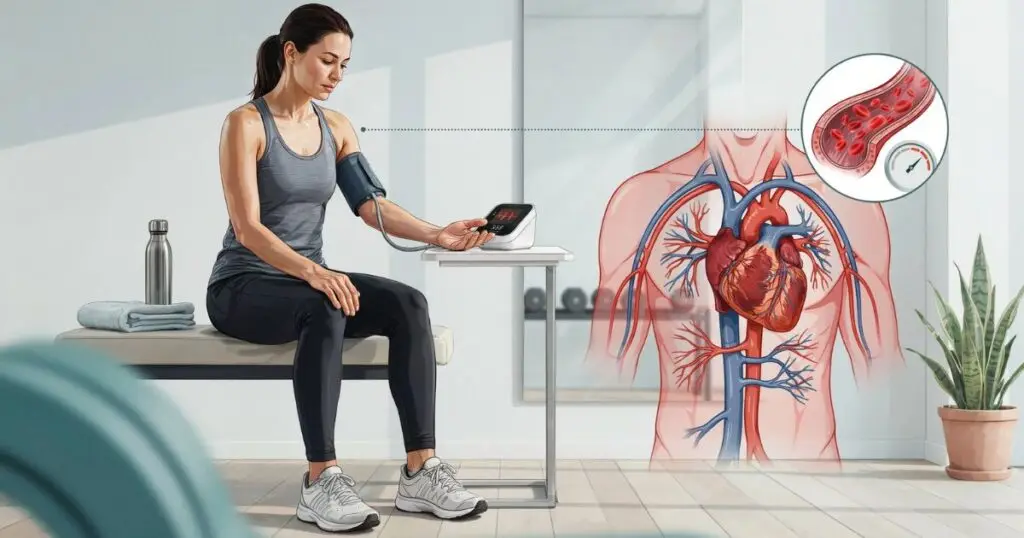
Blood pressure naturally rises during physical activity because the heart needs to pump more oxygen-rich blood to working muscles. In most cases, these levels gradually return to their usual range after a workout. However, some people may notice that high blood pressure after exercise remains elevated longer than expected, raising questions about whether this response is normal.
While a temporary increase in blood pressure is often part of the body’s natural reaction to exercise, persistent or unusually high readings may sometimes require closer attention. Understanding the signs that may accompany elevated blood pressure after a workout can help individuals make informed decisions about their health. This article explores 7 key signs of high blood pressure after exercise, possible causes, and when it may be appropriate to seek medical advice.
What Happens to Blood Pressure During Exercise?
Physical activity places greater demands on the cardiovascular system. As exercise begins, the body requires more oxygen and nutrients to support working muscles. To meet this increased demand, the heart pumps blood more quickly and forcefully, causing blood pressure to rise temporarily. This response is a normal part of exercise and helps deliver oxygen-rich blood throughout the body.
For most people, blood pressure gradually returns to its usual range after a workout and recovery period. However, the time needed for recovery can vary depending on factors such as age, fitness level, exercise intensity, hydration status, and overall cardiovascular health.
Why Blood Pressure Rises During Physical Activity
Blood pressure rises during physical activity because the heart must work harder to circulate blood to active muscles. As heart rate increases, more blood is pumped through the arteries, which can temporarily raise systolic blood pressure. This allows the body to deliver oxygen and nutrients efficiently during exercise.
Several factors may influence how much blood pressure increases during a workout, including exercise intensity, environmental temperature, stress levels, and existing health conditions. In most cases, this increase is temporary and is considered a normal response to physical activity. Once exercise ends and the body begins to recover, blood pressure often starts moving back toward its typical resting level.
Is High Blood Pressure After Exercise Always a Concern?
Not necessarily. A temporary increase in blood pressure during or shortly after physical activity is often considered a normal response because the heart is working harder to deliver oxygen-rich blood throughout the body. As the body begins to recover, blood pressure usually starts moving back toward its typical resting range.
However, recovery does not look the same for everyone. Some individuals may notice that high blood pressure after exercise remains elevated for longer periods, especially after intense workouts or other physical stressors. While this does not always indicate a health problem, consistently high readings may deserve closer attention. Monitoring blood pressure patterns over time can help individuals better understand how their body responds to exercise.
Several factors may affect how quickly blood pressure returns to normal after a workout. These include age, fitness level, exercise intensity, hydration status, stress levels, sleep quality, caffeine intake, and certain underlying health conditions. Environmental factors such as hot weather may also influence blood pressure recovery. In many cases, maintaining healthy lifestyle habits and following an appropriate exercise routine may help support normal cardiovascular function.
7 Key Signs of High Blood Pressure After Exercise
Although blood pressure commonly increases for a short time after exercise, some symptoms may suggest that the body is not recovering as expected. Recognizing these signs can help individuals better understand when elevated blood pressure may need closer attention.
Persistent Elevated Blood Pressure Readings
One of the most noticeable signs is consistently high blood pressure readings that remain elevated long after a workout has ended. While blood pressure may take some time to recover, repeated high readings over several exercise sessions may be worth discussing with a healthcare professional. Keeping a record of blood pressure measurements can help identify patterns over time.
Severe Headaches After Workouts
Some individuals may experience headaches after intense physical activity. Although headaches can occur for various reasons, including dehydration and fatigue, persistent or unusually severe headaches alongside elevated blood pressure may require attention. Monitoring symptoms and recovery patterns can provide useful information about overall cardiovascular health.
Dizziness or Lightheadedness
Feeling dizzy or lightheaded after exercise may occur when the body is adjusting to changes in circulation and blood pressure. Frequent dizziness or symptoms that persist after resting may be a sign that the body has not fully recovered from physical activity.
Shortness of Breath
Faster breathing is a normal response to exercise, but ongoing shortness of breath after physical activity may suggest that the body has not fully recovered. When shortness of breath occurs together with elevated blood pressure or other symptoms, it should not be ignored.
Chest Discomfort
Chest discomfort after exercise can have many possible causes, ranging from muscle strain to cardiovascular concerns. While not every case is serious, chest pressure, tightness, or discomfort that continues after a workout may warrant prompt medical evaluation, particularly when accompanied by high blood pressure.
Blurred Vision
Temporary vision changes may sometimes occur when blood pressure rises significantly. Blurred vision, difficulty focusing, or other unusual visual symptoms following exercise should be taken seriously, especially if they occur repeatedly or alongside other warning signs.
Unusual Fatigue After Exercise
Feeling tired after a workout is normal, but excessive fatigue that seems disproportionate to the level of activity may signal that the body is having difficulty recovering. When unusual fatigue occurs together with high blood pressure after exercise, it may be helpful to monitor symptoms and seek professional advice if concerns persist.
Common Causes of High Blood Pressure After Exercise
Several factors may contribute to high blood pressure after exercise. While a temporary increase is often part of the body’s normal response to physical activity, certain conditions and lifestyle factors may cause blood pressure to remain elevated for longer than expected.
Intense Workouts
High-intensity exercise places greater demands on the heart and blood vessels. Activities such as sprinting, heavy weightlifting, or vigorous interval training may cause a more noticeable increase in blood pressure during and immediately after a workout. Recovery time may vary depending on fitness level and exercise intensity.
Stress
Physical activity is generally associated with stress reduction, but emotional stress and anxiety can still influence blood pressure levels. When the body releases stress hormones, the heart may beat faster, and blood vessels may narrow, which can contribute to higher blood pressure readings after exercise.
Dehydration
Fluid loss through sweating may affect blood circulation and place additional strain on the cardiovascular system. In some cases, dehydration may influence how the body regulates blood pressure during recovery. Maintaining adequate fluid intake before, during, and after exercise may help support healthy recovery.
Excess Caffeine
Consuming large amounts of caffeine before a workout may temporarily increase blood pressure in some individuals. Energy drinks, strong coffee, and certain pre-workout supplements often contain stimulants that can affect cardiovascular responses during physical activity.
Existing Cardiovascular Conditions
People with hypertension or other cardiovascular conditions may experience different blood pressure responses to exercise compared with those without underlying health concerns. Regular monitoring and following professional medical guidance may help individuals exercise more safely while supporting long-term heart health.
Risk Factors for High Blood Pressure After Exercise
Although anyone can experience temporary changes in blood pressure after physical activity, some individuals may be more likely to notice elevated readings during recovery. Understanding these risk factors may help people monitor their health more effectively and make informed decisions about exercise habits.
Older Adults
As people age, blood vessels may gradually become less flexible, which can affect how the cardiovascular system responds to physical activity. Older adults may experience slower blood pressure recovery after exercise, particularly if other health conditions are present.
People With Hypertension
Individuals who already have high blood pressure may be more likely to experience elevated readings during and after exercise. While regular physical activity may support heart health, blood pressure responses can vary depending on fitness level, medications, and overall cardiovascular health.
Individuals With Obesity
Excess body weight may place additional strain on the heart and circulatory system. As a result, some individuals with obesity may experience greater fluctuations in blood pressure during physical activity and recovery compared with those who maintain a moderate weight.
Sedentary Individuals Starting Exercise
People who are new to exercise or have been inactive for extended periods may notice more significant changes in blood pressure when beginning a fitness routine. Starting with moderate activities and gradually increasing intensity may help the body adapt more comfortably to physical activity over time.
Potential Risks of Uncontrolled High Blood Pressure After Exercise
In many cases, temporary increases in blood pressure are part of the body’s natural response to physical activity. However, consistently experiencing high blood pressure after exercise may indicate that the cardiovascular system is under additional strain. Understanding these potential risks can help individuals make informed decisions about their health and fitness routines.
When elevated blood pressure occurs frequently or remains high for extended periods, it may place extra pressure on the heart and blood vessels over time. Some research suggests that persistent high blood pressure after exercise may be associated with an increased likelihood of developing long-term blood pressure concerns in certain individuals.
Uncontrolled blood pressure may also affect how efficiently the heart pumps blood throughout the body. Although occasional fluctuations are common, repeated episodes of high blood pressure after exercise may warrant closer monitoring, particularly for people with existing cardiovascular risk factors.
It is important to remember that blood pressure responses vary from person to person. Monitoring changes over time and discussing persistent concerns with a healthcare professional may help identify whether additional evaluation is needed.
When Should You Seek Medical Attention?
While temporary changes in blood pressure can occur after physical activity, certain symptoms may indicate the need for prompt medical evaluation. Understanding the difference between emergencies and non-emergency concerns can help individuals respond appropriately.
Emergency Warning Signs
According to the American Heart Association, immediate medical attention may be necessary if severely elevated blood pressure is accompanied by symptoms such as chest pain, shortness of breath, difficulty speaking, severe weakness, or sudden vision changes. If these symptoms occur, seeking timely medical care may be important.
Non-Emergency Situations That May Require Professional Advice
Not every episode of high blood pressure after exercise is an emergency. However, it may be helpful to speak with a healthcare professional if blood pressure remains elevated for an extended period after workouts, repeatedly reaches unusually high levels, or is accompanied by ongoing symptoms such as headaches, dizziness, or unusual fatigue.
Individuals with existing cardiovascular conditions, a history of hypertension, or concerns about how their body responds to exercise may also benefit from professional guidance. Regular monitoring can help identify patterns and determine whether further evaluation is appropriate.
Tips That May Help Support Healthy Blood Pressure Recovery After Exercise
Taking steps to support recovery after physical activity may help the body return to its typical state more comfortably. While blood pressure responses vary among individuals, healthy habits can play an important role in overall cardiovascular wellness.
Hydration
Proper hydration is important before, during, and after exercise. The body loses fluids through sweat, and replacing those fluids may help support normal circulation and recovery. Drinking enough water and maintaining adequate fluid intake can be especially important during hot weather or intense physical activity.
Cool-Down Routines
Ending a workout gradually rather than stopping suddenly may help the body adjust more smoothly after exercise. Light walking, gentle stretching, or other low-intensity movements may support a gradual return to resting heart rate and blood pressure levels.
Gradual Exercise Progression
Increasing workout intensity too quickly may place unnecessary stress on the cardiovascular system. Building endurance and strength gradually allows the body more time to adapt to physical activity. New individuals to exercise may benefit from starting with moderate activities and slowly increasing intensity over time.
Regular Monitoring
Tracking blood pressure regularly may help individuals understand how their body responds to exercise. Monitoring trends over time can provide useful information and may help identify changes that deserve further attention. People with existing cardiovascular concerns may find regular monitoring particularly helpful when following an exercise program.
Conclusion
High blood pressure after exercise is often a temporary response to physical activity, but understanding the signs and potential risk factors may help individuals better monitor their cardiovascular health. Paying attention to symptoms, maintaining healthy exercise habits, and tracking blood pressure patterns can support informed health decisions.
If elevated blood pressure persists, occurs frequently, or is accompanied by concerning symptoms, seeking professional medical advice may help determine whether further evaluation is needed.
FAQs
How Long Can High Blood Pressure After Exercise Last?
High blood pressure after exercise may remain elevated for a short period before gradually returning to its usual range. Blood pressure recovery does not occur at the same rate for everyone.
Can Dehydration Affect High Blood Pressure After Exercise?
Yes, dehydration may influence high blood pressure after exercise by affecting circulation and recovery. Drinking enough fluids may help support normal recovery.
Is It Safe to Exercise With High Blood Pressure After Exercise Concerns?
Many people can exercise safely, but individuals who frequently experience high blood pressure after exercise may benefit from professional medical guidance.
Can Regular Exercise Help Reduce High Blood Pressure After Exercise?
Regular physical activity may support overall cardiovascular health and healthy blood pressure levels over time when performed consistently.

I am a professional SEO content writer with over 4 years of experience in creating high-quality content in the health and beauty niche. I specialize in writing research-based, easy-to-understand articles that help readers improve their skincare, wellness, and daily lifestyle.
My goal is to provide accurate, practical, and user-friendly information so readers can make informed decisions about their health and beauty routines.
Note: The information provided is for educational purposes only and should not be considered medical advice.