
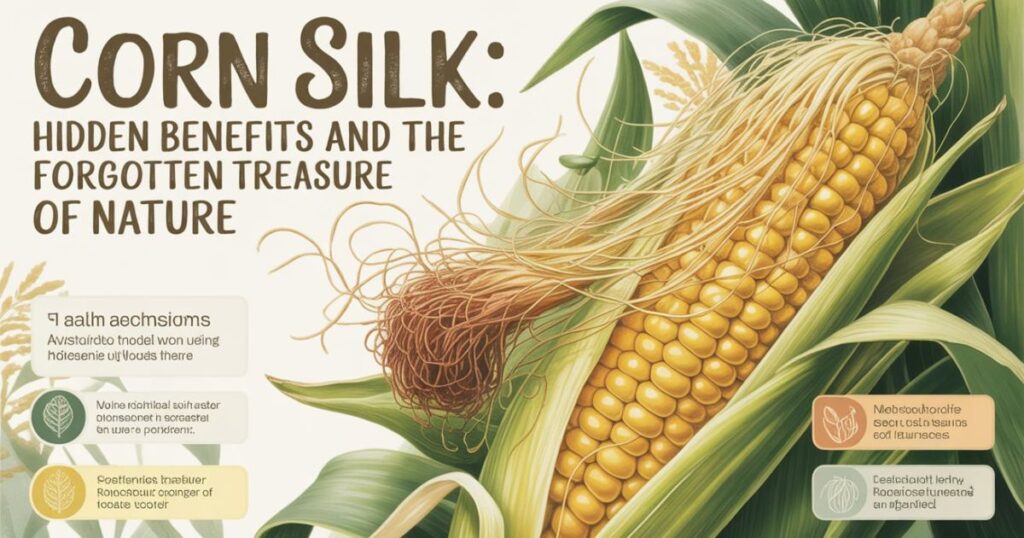
Introduction
Today, science is rediscovering this ancient healing herb for its role in modern wellness, skincare, and weight management. Whether enjoyed as corn silk tea or used.
Nutritional Composition of Corn Silk
These nutrients contribute to several remarkable corn silk benefits, making it a valuable yet underused natural remedy. It contains vital vitamins and minerals, such as vitamin C, vitamin K, potassium, calcium, and magnesium, that help support immune function and fluid balance. Rich in flavonoids and polyphenols, corn silk acts as a powerful plant-based antioxidant, protecting the body from oxidative stress and cellular damage.
Corn silk protein is a natural, plant-based nutrient found in the silky threads of corn. It’s rich in amino acids and antioxidants, making it a sustainable source of plant protein for health supplements and eco-friendly nutrition.
Since it’s often discarded as agricultural waste, using corn silk for nutrition promotes eco-friendly practices and highlights its value as an underutilized natural resource with remarkable health potential.
Traditional and Modern Uses of Corn Silk
From ancient healing rituals to modern herbal teas, the wide range of corn silk benefits continues to impress health enthusiasts worldwide. Native Americans and Chinese healers brewed it into soothing teas to ease water retention and promote detoxification. Today, corn silk tea remains a popular herbal tea known for its gentle cleansing and calming properties. Modern science supports these traditional claims, finding that its antioxidants and anti-inflammatory compounds aid in liver detox and overall urinary health.
Beyond internal wellness, corn silk is also gaining recognition in natural skincare, where its plant-based antioxidants help nourish the skin and reduce irritation, demonstrating its timeless versatility.
Corn Silk Benefits and Hidden Healing Properties
The list of corn silk benefits includes antioxidant protection, soothing inflammation, and kidney support, all backed by modern research. This silky thread found inside corn husks carries powerful antioxidants, vitamins, and minerals that support the body from within. While often discarded, it has been used in traditional medicine for centuries and is now being recognized by modern research for its natural healing potential. Let’s uncover the hidden health benefits of corn silk that make it more than just a byproduct of corn.
MUST READ
Singhara Benefits for Skin – Nutrition, Uses, and Hidden Health Secrets
Rich in Antioxidants
Corn silk is loaded with flavonoids, phenolic acids, and vitamins like A, C, and E, which act as potent antioxidants. These compounds help fight free radicals, reducing oxidative stress that can lead to aging, chronic diseases, and cellular damage. Regular intake of corn silk tea may protect the body from inflammation-related issues, enhance skin health, and strengthen the immune system.
Helps Reduce Inflammation Naturally
One of the remarkable properties of corn silk is its anti-inflammatory power. It contains bioactive compounds such as allantoin and saponins that help reduce swelling and soothe inflamed tissues. Studies have shown that corn silk extracts can naturally ease pain and inflammation without harsh side effects, making it a gentle remedy for conditions like arthritis, gout, and urinary irritation.
Corn Silk Benefits for Kidney and Bladder Health
Traditionally, corn silk has been used as a natural diuretic — helping the body flush out excess fluids and toxins. This supports kidney and bladder function, preventing issues like urinary tract infections (UTIs) and kidney stones. The gentle diuretic effect also helps maintain a balanced electrolyte level, promoting healthy urine flow and reducing the risk of bacterial growth in the urinary tract.
May Control Blood Sugar Levels
Corn silk may offer benefits for people managing diabetes or high blood sugar. Research suggests that it helps regulate insulin levels and enhances glucose metabolism by improving the pancreas’s function. The polysaccharides and flavonoids in corn silk may slow sugar absorption within the intestines, helping the body maintain healthy blood sugar levels naturally.
May Lower Blood Pressure and Cholesterol
Corn silk contains natural compounds that promote heart health by relaxing blood vessels and improving circulation. It may help lower blood pressure by decreasing sodium levels and relaxing the arteries, improving overall circulation. Additionally, its antioxidant properties may lower LDL (bad) cholesterol and promote better heart health, decreasing the risk of cardiovascular disease.
Aids in Detox and Weight Management
Because of its mild diuretic and detoxifying effects, corn silk is an excellent aid in cleansing the body of excess salts and harmful toxins. It promotes proper metabolism and helps eliminate water retention, which can contribute to bloating and weight gain. Drinking corn silk tea regularly supports a healthy digestive system, making it a natural and gentle option for those seeking to manage their weight and enhance body detoxification.
Corn Silk for Skin and Beauty Care
These corn silk benefits make it a natural choice for skincare enthusiasts seeking clear, radiant skin. The Corn Silk Benefits for Skin are deeply rooted in its antioxidant and anti-inflammatory properties, which help combat dullness, acne, and premature aging. The antioxidants in corn silk fight free radicals, reducing oxidative damage that causes fine lines and dark spots. Its natural compounds, including vitamin C, flavonoids, and allantoin, support collagen production and promote the healing of damaged skin tissues.
Moreover, corn silk’s anti-inflammatory properties calm irritated or inflamed skin, making it effective for conditions such as acne, rashes, and redness. When used as a face rinse or infused in skincare products, it helps purify pores, control oil, and leave the skin refreshed and glowing. Regular use of corn silk extract or tea may help maintain a clearer, smoother, and more radiant complexion, proving that this humble plant part truly deserves a spot in natural beauty care.
How to Make and Use Corn Silk Tea
If you want to enjoy the natural goodness of this ancient herbal drink, learning how to Prepare Corn Silk Tea is simple and rewarding. Corn silk tea is a natural diuretic and a gentle herbal detox remedy that supports kidney, bladder, and overall wellness. You can use either fresh or dried corn silk, depending on availability.
To make the tea, take a small handful of fresh corn silk or one tablespoon of dried silk and rinse it well. Boil a cup of water, add the silk, and let it simmer for 10–15 minutes, then strain the liquid into a cup. You may add honey or lemon for extra flavor.
For best results, drink one to two cups daily — preferably once in the morning and once before bedtime. Always store dried corn silk in an airtight container to maintain freshness. Consistent use of this organic wellness drink may help regulate blood sugar, flush out toxins, and improve urinary health naturally.
Corn Silk Benefits for Men and Women
Corn silk offers impressive wellness support for both men and women, making it a true natural healer for the entire body. Its bioactive compounds not only promote urinary health but also support hormonal balance, detoxification, and anti-aging functions.
Corn Silk for Prostate Health is one of its most well-known benefits for men. Studies suggest that its anti-inflammatory and diuretic effects can help reduce prostate swelling, ease urinary discomfort, and improve overall bladder function. Regular consumption of corn silk tea may also help maintain a healthy urinary flow, especially for men over 40.
For women, corn silk acts as a gentle hormone-balancing herb. It helps reduce PMS bloating, promotes detoxification, and supports liver function — which is vital for maintaining stable hormone levels. Its mild cleansing properties also help reduce water retention and improve skin clarity.
Whether taken as tea or a supplement, corn silk is a natural detoxifier that benefits both genders by improving kidney health, supporting hormonal wellness, and boosting vitality.
Possible Side Effects and Precautions
While corn silk is generally considered safe and beneficial, it’s important to use it responsibly and with awareness of potential side effects. Although natural, excessive consumption or improper use may cause mild reactions or interfere with certain medications.
Allergic Reactions: Some individuals may experience allergic symptoms such as itching, skin rashes, or throat irritation after consuming corn silk or its tea. Always start with a small amount to check tolerance.
Pregnancy and Breastfeeding: Pregnant or breastfeeding women should consult their healthcare provider before using corn silk, as its diuretic effects might alter electrolyte balance or affect fluid levels in the body.
RELATED POST
What Is Corn Silk, and Does It Have Benefits?
Medication Interactions:
- Antidiabetic drugs: Corn silk can lower blood sugar, so combining it with diabetes medication might cause hypoglycemia.
- Antihypertensive medications: Since it may reduce blood pressure, taking it with such drugs could lead to excessively low readings.
- Diuretics: Corn silk acts as a natural diuretic, and using it with prescribed diuretics can increase the risk of dehydration or mineral loss.
- Warfarin or other blood thinners: Corn silk contains vitamin K, which can interfere with clotting and reduce the effectiveness of these medications.
Safety Tip: Use corn silk tea in moderation (1–2 cups daily) and seek medical advice before combining it with prescription drugs. Responsible use ensures that you enjoy its benefits without compromising your health.
Scientific Research and Nutritional Potential
Recent scientific research has uncovered the remarkable nutritional potential of corn silk, transforming it from a discarded byproduct into a valuable resource for food and health industries. Studies show that corn silk is rich in bioactive compounds, including flavonoids, polyphenols, and natural proteins that contribute to its healing and nutritional value.
One notable study explored the extraction and purification of corn silk proteins, revealing that they contain a significant amount of plant-based protein with high solubility and functional properties. These proteins can be fractionated and used in nutraceuticals, dietary supplements, and functional foods, making corn silk an exciting prospect for sustainable nutrition.
From an environmental standpoint, corn silk represents an underutilized natural resource. Traditionally discarded during corn processing, it can instead be recycled as a sustainable source of plant proteins, reducing agricultural waste and promoting eco-friendly food production.
In essence, modern research reinforces that corn silk is not just a traditional herbal remedy—it’s a nutritionally rich, renewable resource with immense potential for future food innovation and global sustainability.
Final Thoughts: Nature’s Forgotten Treasure
Embracing corn silk benefits in your daily routine can help you stay healthy naturally and glow from within. From its powerful antioxidants and anti-inflammatory properties to its support for kidney health, liver detox, and glowing skin, corn silk offers a holistic approach to wellness. It serves as a gentle herbal detox remedy, an organic wellness drink, and even a natural beauty booster — proving that the simplest gifts of nature can often be the most profound.
As research continues to unveil its nutritional and medicinal potential, it’s time we rediscover this ancient herbal gem. Use corn silk responsibly — whether as a soothing tea, a skincare ingredient, or a natural detox aid — and allow it to reconnect you with the healing power of the earth.
Sometimes, the most powerful healing treasures are hidden in the simplest parts of nature — and corn silk is one of them.
FAQs
1. What is corn silk good for?
Corn silk is good for kidney health, reducing inflammation, controlling blood sugar, and supporting natural body cleansing and urinary function.
2. What are the benefits of drinking boiled corn silk water?
Boiled corn silk water helps flush toxins, supports bladder health, lowers blood pressure, and aids in weight management.
3. What is corn silk called?
Corn silk is known as “Makai ke baal” in Urdu and Hindi, referring to the soft, thread-like strands found on corn ears.
4. Does corn silk reduce creatinine?
Yes, studies suggest corn silk may help lower creatinine levels naturally by improving kidney filtration.
5. What are the side effects of corn silk?
Excess use may cause low blood pressure, dizziness, or interact with diabetic and diuretic medications.
6. Which plant cleans the kidneys?
Plants like corn silk, parsley, and dandelion root are known for their natural kidney-cleansing properties.

I am a professional SEO content writer with over 4 years of experience in creating high-quality content in the health and beauty niche. I specialize in writing research-based, easy-to-understand articles that help readers improve their skincare, wellness, and daily lifestyle.
My goal is to provide accurate, practical, and user-friendly information so readers can make informed decisions about their health and beauty routines.
Note: The information provided is for educational purposes only and should not be considered medical advice.
1 thought on “Corn Silk: Hidden Benefits and the Forgotten Treasure of Nature”