
Intoduction
Rice water has become a popular DIY skincare ingredient for people looking for a simple way to brighten dull-looking skin. It contains starch, amino acids, and other compounds that may help leave the skin feeling smoother and fresher.
In this guide, you’ll learn how to use rice water for face whitening, how to prepare it at home, and simple ways to add it to your skincare routine safely. While rice water may support a brighter appearance, it should not be expected to whiten the skin overnight.
What Is Rice Water, and Why Is It Trending?
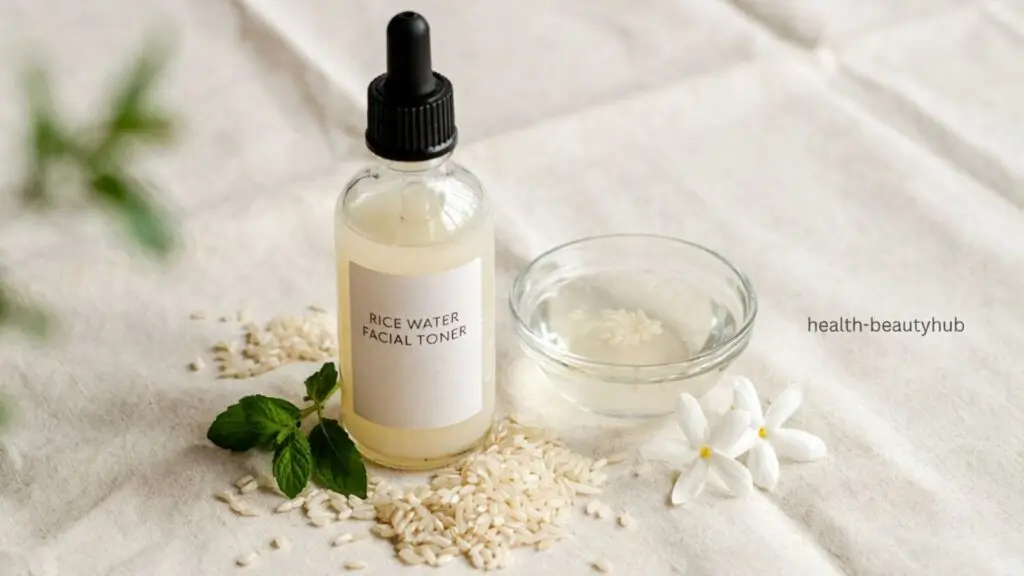
Rice water is the cloudy liquid left after soaking or cooking rice. It is easy to prepare at home and has become a popular ingredient in DIY skincare routines. When used as part of a simple skincare routine, rice water for face whitening may help the skin look fresher and more radiant.
Rice water contains compounds such as:
- Starch
- Amino acids
- Antioxidant compounds
- Small amounts of vitamins and minerals
Rice water has been used in traditional beauty routines in parts of Asia for generations. Today, many people use it as a simple toner or rinse because it is inexpensive and easy to prepare.
However, rice water should not be considered a guaranteed skin-whitening treatment. Its effects can vary from person to person, and regular skincare habits are important for maintaining healthy-looking skin.
7 Uses of Rice Water for Face Whitening
If you’re wondering whether rice water can help brighten the appearance of your skin, it may be a simple ingredient to include in a gentle skincare routine. Rice water for face whitening is commonly used in DIY routines to help the skin look fresher, smoother, and more radiant. However, it should not be expected to change your natural skin tone or whiten the skin overnight.
1. May Help Brighten Dull-Looking Skin
Rice water may help improve the appearance of dull skin and give your complexion a fresher, more radiant look. Consistent skincare and daily sun protection are also important for maintaining an even-looking complexion.
For another DIY ingredient commonly used in brightening routines, you can also explore the benefits of potato juice for skin.
2. Helps Skin Feel Soft and Smooth
Rice water can be used as a simple skincare step that may leave the skin feeling soft and smooth. Follow it with a suitable moisturizer to help maintain the skin’s moisture.
3. Supports a Healthy-Looking Glow
One reason people use rice water for face whitening is to support a fresh, glowing appearance. A healthy-looking glow also depends on regular cleansing, moisturizing, and protecting the skin from excessive sun exposure.
4. May Help Soothe the Skin
Rice water is often included in gentle DIY skincare routines and may help the skin feel refreshed. If you have sensitive skin, always patch-test it before applying it regularly.
5. Can Be Used as a Simple Facial Toner
After cleansing, some people use rice water as a lightweight DIY toner. Apply a small amount to clean skin and allow it to dry before following with moisturizer.
6. Provides an Affordable Skincare Option
Rice water is inexpensive and easy to prepare at home, making it a budget-friendly addition to a simple skincare routine. You can prepare a small batch without purchasing expensive beauty products.
7. Can Complement a Gentle Skincare Routine
Rice water can be used alongside basic skincare steps such as cleansing, moisturizing, and sun protection. Rather than relying on one ingredient for whitening, focus on a consistent routine that supports healthy-looking skin.
How to Make Rice Water at Home
Making rice water at home is simple and only requires a few basic ingredients. For rice water for face whitening, it is best to prepare a fresh batch and use clean utensils to reduce the risk of contamination.
What You’ll Need
- ½ cup uncooked white rice
- 1½ cups clean water
- A clean bowl
- A fine strainer
- A clean, airtight bottle or jar
Method
- Rinse the rice thoroughly to remove dirt and excess surface starch.
- Place the rice in a clean bowl and add 1½ cups of water.
- Let the rice soak for about 30 minutes.
- Stir the rice gently for a few minutes until the water becomes cloudy.
- Strain the rice and collect the liquid in a clean container.
- Transfer the rice water to a clean, airtight bottle and refrigerate it.
For better hygiene, prepare a small amount at a time and discard it if it develops an unusual smell, color, or appearance. Fresh preparation is preferable for a DIY facial routine.
How to Use Rice Water for Face Whitening
If you want to include rice water for face whitening in your skincare routine, start with a simple application method. Rice water may help your skin look fresher and brighter over time, but it does not provide guaranteed or instant whitening.
Simple Application Method
- Cleanse your face: Wash your face with a gentle cleanser to remove dirt, oil, and makeup.
- Pat your skin dry: Use a clean, soft towel and avoid rubbing your face.
- Apply the rice water: Soak a clean cotton pad in the rice water and gently apply it to your face and neck.
- Let it sit: Allow the rice water to dry naturally for a few minutes.
- Moisturize: Apply a gentle moisturizer to help keep your skin comfortable and hydrated.
- Use sunscreen in the daytime: If you use rice water in your morning routine, finish with a broad-spectrum sunscreen.
For beginners, using rice water for face whitening a few times a week is a reasonable way to see how your skin responds. Stop using it if you notice burning, itching, or persistent redness.
Tips for Using Rice Water Safely
If you’re adding rice water for face whitening to your skincare routine, a few simple habits can make the routine easier and more comfortable:
- Use a fresh batch: Prepare a small batch and refrigerate it in a clean, tightly sealed container.
- Keep it simple: Avoid mixing rice water with lemon juice, vinegar, or other acidic ingredients, especially if you have sensitive skin.
- Cleanse first: Apply rice water to clean skin rather than using it over makeup, sunscreen, or accumulated dirt.
- Patch-test first: Apply a small amount to an inconspicuous area before using it regularly on your face.
- Start slowly: Try it a few times a week and observe how your skin responds before increasing use.
- Moisturize afterward: Follow with a gentle moisturizer if your skin feels dry or tight.
- Stop if irritation occurs: Discontinue use if you experience persistent redness, itching, burning, or discomfort.
Rice Water Ice Cube Method
Rice water can also be turned into ice cubes for a refreshing addition to your skincare routine. The cooling sensation may temporarily make the skin feel refreshed, especially when your face looks puffy or tired.
How to Make Rice Water Ice Cubes
- Pour freshly prepared rice water into a clean ice cube tray.
- Place the tray in the freezer and allow the rice water to freeze completely.
- Take a frozen rice water cube and cover it with a clean, soft cloth before use.
- Gently move it over your face without keeping it in one place for too long.
- Stop if your skin feels uncomfortable or overly cold.
If you’re using rice water for face whitening, remember that the ice-cube method is mainly a refreshing skincare technique. It should not be expected to provide instant whitening or permanently change your skin tone.
Easy DIY Rice Water Face Masks
If you want to explore another way of using rice water for face whitening, you can combine it with simple, skin-friendly ingredients. These DIY masks can be used occasionally as part of a gentle skincare routine.
Rice Water and Honey Mask
Ingredients:
- 2 tablespoons fresh rice water
- 1 teaspoon honey
How to use:
Mix the ingredients in a clean bowl and apply a thin layer to your face. Leave it on for about 10–15 minutes, then rinse gently with lukewarm water. Follow with a moisturizer.
Honey can help the skin feel soft and moisturized, while rice water provides a simple, refreshing base for this DIY mask.
Rice Water and Aloe Vera Mask
Ingredients:
- 1 tablespoon rice water
- 1 tablespoon pure aloe vera gel
How to use:
Mix the ingredients well and apply a thin layer to clean skin. Leave it on for about 15–20 minutes, then rinse gently and apply moisturizer.
This combination can be a soothing option for a simple at-home skincare routine. Patch-test both ingredients before using the mask on your face, especially if your skin is sensitive.
Can You Leave Rice Water on Your Face Overnight?
If you’re wondering whether you can leave rice water for face whitening on your skin overnight, it is better to start with shorter application times rather than leaving a DIY preparation on your face for many hours.
Rice water is not a guaranteed overnight whitening treatment, and leaving it on longer does not necessarily mean you will get better results. If you choose to use it as part of your nighttime routine, consider these precautions:
- Use plain, freshly prepared rice water.
- Apply it to clean skin.
- Avoid the eye area.
- Patch-test it before regular use.
- Stop using it if you notice redness, itching, burning, or irritation.
- Use a clean pillowcase to reduce contact with dirt and product residue.
For beginners, applying rice water for a short period and then rinsing it off is a more cautious approach. If your skin tolerates it well, you can decide whether it fits comfortably into your routine.
Does Rice Water Suit All Skin Types?
Rice water may be suitable for many people, but every skin type can respond differently. If you’re considering rice water for face whitening, start slowly and pay attention to how your skin reacts.
Dry Skin
If your skin is dry, rice water may feel comfortable when followed by a gentle moisturizer. Avoid using it too frequently if your skin begins to feel tight or dry.
Oily Skin
People with oily skin can try rice water as a lightweight addition to their routine. However, it should not replace a gentle cleanser or other products designed for managing excess oil.
Combination Skin
For combination skin, apply rice water evenly and adjust your routine according to how different areas of your face respond.
Sensitive Skin
Sensitive skin requires extra care. Patch-test rice water before applying it to your entire face, and avoid using it together with potentially irritating ingredients such as lemon juice or strong exfoliants.
If you experience persistent redness, itching, burning, or other irritation, stop using the product and allow your skin to recover.
What to Expect When Using Rice Water
If you’re using rice water for face whitening, it’s important to keep your expectations realistic. Rice water may make the skin feel refreshed and look temporarily brighter or smoother, but it cannot guarantee a change in your natural skin tone.
Several factors can influence how your skin looks, including sun exposure, hydration, cleansing habits, and the skincare products you use regularly. For this reason, rice water should be viewed as an optional DIY skincare step rather than a replacement for a complete routine.
For other simple DIY options, you can also explore the benefits of rose water for the face as part of a gentle skincare routine.
If you decide to try it, use a simple preparation, introduce it gradually, and pay attention to how your skin responds. Consistent cleansing, moisturizing, and daytime sun protection remain important for maintaining healthy-looking skin.
Precautions and Possible Side Effects
Although rice water is a simple DIY ingredient, it may not suit everyone. Before using rice water for face whitening, take a few precautions to reduce the chance of irritation.
- Patch-test first: Apply a small amount to a less visible area of skin and wait to see how your skin reacts.
- Keep it clean: Always use clean containers and utensils when preparing and storing rice water.
- Avoid broken skin: Do not apply rice water to cuts, open wounds, or severely irritated skin.
- Do not add harsh ingredients: Avoid combining it with lemon juice, vinegar, or strong exfoliating products, particularly if your skin is sensitive. If you use active skincare ingredients, learn more about using salicylic acid and niacinamide together before adding new DIY treatments to your routine.
- Avoid the eye area: Keep rice water away from the eyes to reduce the risk of irritation.
- Stop if irritation occurs: Discontinue use if you experience burning, itching, swelling, or persistent redness.
- Do not rely on it for whitening: Rice water should be considered an optional skincare step rather than a treatment for changing your natural skin tone.
If irritation continues after stopping use, consider speaking with a qualified dermatologist or healthcare professional.
Conclusion
Rice water is a simple and affordable DIY ingredient that may help your skin feel smoother, fresher, and more radiant. If you’re interested in rice water for face whitening, remember that it should not be expected to change your natural skin tone or provide overnight whitening.
For the best overall results, keep your skincare routine simple and consistent. Cleanse gently, moisturize regularly, protect your skin from the sun, and patch-test new DIY ingredients before using them frequently.
If your skin becomes irritated or uncomfortable after using rice water, stop the routine and give your skin time to recover. With realistic expectations and proper skincare habits, rice water can be an optional addition to a simple beauty routine.
FAQs
1. Can rice water whiten your face?
If you’re trying rice water for face whitening, it may help your skin look brighter and more refreshed, but it cannot permanently change your natural skin tone.
2. How often should I use rice water on my face?
If you are new to rice water, start with a few times a week and see how your skin responds. Reduce or stop use if you notice dryness or irritation.
3. Can I leave rice water on my face overnight?
It is better to start with a short application time rather than leaving homemade rice water on your face overnight. Longer contact does not necessarily provide better results.
4. What can I mix with rice water for face whitening?
You can combine rice water with gentle ingredients such as aloe vera gel or honey for an occasional DIY mask. Patch-test the mixture first and avoid harsh ingredients such as lemon juice.
5. How long does rice water take to brighten skin?
There is no fixed timeframe for visible results. Skin appearance varies from person to person, and rice water should not be expected to produce instant whitening.
6. Can I use rice water every day on my face?
Daily use is not necessary. Starting a few times a week allows you to see how your skin responds before deciding whether to use it more often.
7. Is rice water good for all skin types?
Rice water may work for some skin types, but sensitive skin can react differently. Patch-test it before regular use and stop if irritation develops.

I am a professional SEO content writer with over 4 years of experience in creating high-quality content in the health and beauty niche. I specialize in writing research-based, easy-to-understand articles that help readers improve their skincare, wellness, and daily lifestyle.
My goal is to provide accurate, practical, and user-friendly information so readers can make informed decisions about their health and beauty routines.
Note: The information provided is for educational purposes only and should not be considered medical advice.
1 thought on “7 Proven Uses of Rice Water for Face Whitening & Brightening”